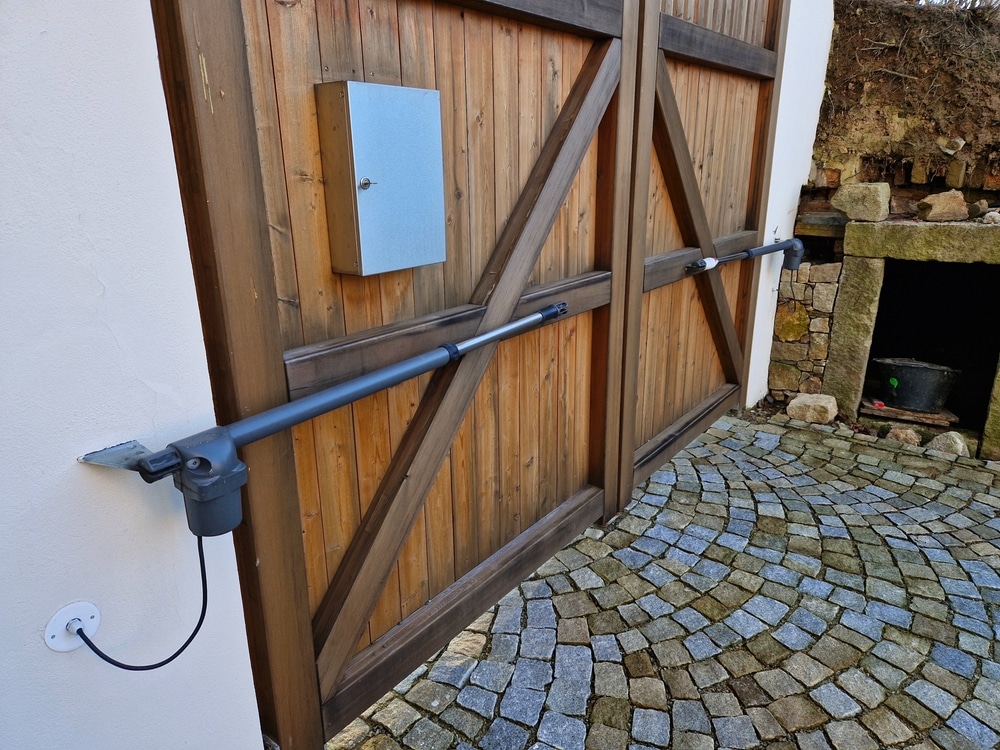
Automated gate systems do more than simplify daily entry. They add security, support privacy, and improve how your property appears from the street. For a homeowner in St. Louis, automated access also means tighter control over who enters, without having to step out of the vehicle during rain, late at night, or on busy mornings. When planned correctly, an automated gate can make an entry point feel more secure, more refined, and easier to manage.
Before you buy, schedule installation, or plan service for an automatic gate system, it helps to understand how the system functions from the inside out. Knowing what powers the movement, what controls access, and what safety parts are required makes decisions clearer and reduces surprises later.
Understanding Automated Gate Systems
An automatic gate opens and closes through gate automation, so you do not have to move it manually. When you press a button, use a remote, enter a code, or tap an app, the access device sends a signal to the automatic gate system. The control unit receives that signal and tells the gate to open or close.
A motor powers the gate’s movement, while sensors enable it to respond if an object is in its path. Depending on the design, the gate may swing on hinges or slide on rollers. By combining mechanical movement with electronics, automated gate systems support smooth daily access and safer operation.
For a quick comparison of driveway-friendly layouts, read Which Types of Automated Gates Are Suitable for Your Driveway?
Key Parts of Gate Automation and How They Operate
The gate operator (motor) is the drive unit that moves the gate using electrical power. The appropriate operator depends on gate size, gate weight, frequency of use, and whether the gate slides or swings.
Access control is the part that tells the gate when to move. This can include a remote, keypad, smartphone app, intercom, or phone-based entry. Each method sends a signal to the operator through the control board, after which the gate begins its open or close cycle.
Safety parts are essential. Photo-eye sensors can detect an obstruction and stop or reverse movement. Strong hinges or properly aligned rollers also support stable movement and reduce wear on parts over time.
The Difference Between Manual Gates and Automated Gate Systems
Manual gates must be opened and closed manually, often requiring you to step out of the vehicle, which is especially inconvenient in inclement weather or during busy periods. Automated gate systems let you open or close gates remotely, so entry stays quick and consistent.
Automation can also strengthen security by enabling auto-close settings that close and secure the gate after each use. Manual gates require homeowners to close and lock them each time, which can be overlooked.
Service needs differ as well. Manual gate issues often involve hinges, latches, or alignment. Automated gate systems can affect the operator, sensors, wiring, or other electrical parts, so an expert is usually the safest choice when performance becomes unreliable.
Types of Automated Gates and Customization Options
Automated gates generally fall into two main types: swing and sliding. Swing gates open inward or outward like a door, while sliding gates move sideways along a track. Each style has its own advantages, and the best fit usually depends on the amount of driveway clearance you have and how traffic flows at your entry.
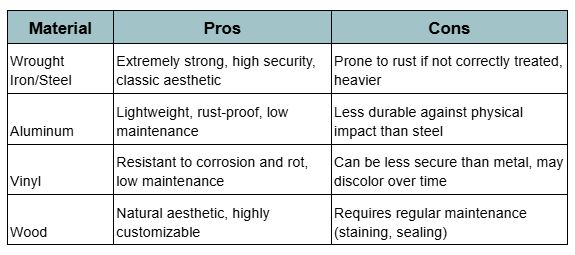
Customization can also make a significant difference in appearance and performance. Many homeowners choose metal options such as wrought iron for a classic design, while others select vinyl for a clean, modern finish. The right design can enhance curb appeal while supporting stronger access control and a more secure entry experience.
Choosing the Right Automated Gate for Your Driveway in St. Louis
Selecting the right automatic gate for a St. Louis property starts with a simple site check. Review your driveway layout first: is it level, sloped, narrow, or wide? With generous clearance, swing gates can operate smoothly. If space is limited, a sliding gate can be the smarter option because it does not require room for the gate panels to swing.
A professional consultation can also help you avoid sizing mismatches or operator selection errors. A technician can evaluate gate weight, driveway grade, wind exposure, and daily cycle needs, then recommend an operator and layout that matches your entry.
Keep these factors in mind:
- Space: Swing gates require clearance to open and close; sliding gates require less clearance and are suitable for tighter areas.
- Usage: If the gate cycles many times per day, you will need a durable operator rated for frequent operation.
- Aesthetics: Select a style that complements your property’s architecture and install a fence to create a cohesive finish.
The right choice should support secure access, reliable operation, and a design that fits your driveway without daily frustration.
Materials and Designs That Enhance Durability and Functionality
Material selection affects durability, upkeep demands, and long-term performance. Metal gates, especially steel and wrought iron, are strong options that support high security. For metal, a protective finish is essential to prevent rust and corrosion, especially in changing weather conditions.
For a clear homeowner-friendly breakdown of common outdoor materials, read this guide to fencing materials and use cases.
Vinyl gates are also popular because they require less upkeep. Vinyl resists rot and corrosion and does not need repainting. While vinyl may not match steel for impact resistance, many modern vinyl systems perform well for years when paired with the correct operator and a stable frame.
When choosing materials, consider appearance, upkeep effort, and long-term durability. A technician can help match the gate material and design to your site conditions and expected daily use.
Gate Installation & Repair: What Homeowners Should Know
The way a gate is installed affects daily performance, long-term reliability, and overall safety. When a homeowner attempts a DIY installation, small alignment or wiring errors can lead to uneven movement, inconsistent closing, and early wear on parts. A professional installation helps ensure the operator, hinges or rollers, and safety parts are set correctly so the gate opens and closes smoothly and consistently.
Even with proper installation, an automatic gate system will experience wear over time. Gate repair is necessary when key parts weaken, settings drift, or safety features become unreliable. Acting quickly when issues start can reduce downtime and limit damage to surrounding parts, keeping the entry secure and easier to manage.
Signs You May Need Gate Repair and Selecting a Reliable Gate Company
An automatic gate often gives early signals before it stops working completely. Addressing these warning signs early can help maintain performance stability and reduce the risk of sudden failure. In many cases, poor installation causes early problems, but normal wear can also lead to service needs, especially with frequent daily use.
A reliable gate company in St. Louis should be able to quickly identify the cause and recommend the appropriate repair approach based on your gate style and operator type. When evaluating a company, check experience, reviews, and familiarity with your specific system. If you notice any of the issues below, it is time to call an expert for automatic gate repair:
- Unusual Noises: Grinding, squeaking, or beeping can signal worn parts, loose hardware, or a low battery backup.
- Sagging or Misalignment: A sagging gate can strain the operator and reduce security by preventing a secure close.
- Slow or Jerky Movement: Inconsistent movement may indicate issues with the roller, hinge, track, or operator that require professional inspection.
- Failure to Latch: A gate that will not latch or stay closed reduces access control and can leave the entry unsecured.
These signs are easy to check during daily use, especially when opening and closing patterns change.
Automated Gate Services: Installation, Emergency Repairs, and Upgrades
Comprehensive automated gate services go beyond installation. A skilled team can evaluate the site, verify the correct operator rating, and install the system to ensure stability and proper component function. Proper setup also supports durability by reducing unnecessary strain and keeping the system aligned from the start.
When the gate will not open or close, or behaves unpredictably, emergency repair service can quickly restore safe access. Rapid response matters when an entry is stuck open, stuck closed, or failing to secure properly. A professional can inspect the operator, control board, wiring, and safety sensors to identify the cause and restore reliable operation.
Upgrades can also improve performance over time. Many homeowners install stronger access controls, replace worn parts, or add new safety features to enhance protection. A technician can review upgrade options that match your existing automatic gate system and help keep the entry operating smoothly with modern accessories.
Gate Maintenance for Longevity and Reliability
Regular inspection is one of the simplest ways to keep an automatic gate system reliable over the long term. As with routine vehicle maintenance, both moving and powered parts require attention to ensure smooth, consistent operation. Setting aside time to check the gate’s movement, alignment, and response helps you catch minor issues early, before they become larger repairs.
Ongoing care also supports longer service life for hinges, rollers, and the operator. When you understand how often automated gate systems need maintenance, it becomes easier to plan inspections and reduce unexpected service calls. With regular maintenance, the gate remains ready for daily use and performs more consistently in changing weather conditions.
For a clear schedule guide, read How Often Do Automated Gate Systems Need Maintenance?
Routine Gate Maintenance Tips to Minimize Repairs
Professional service is essential, but there are also practical checks a homeowner can handle between visits. Start with a quick visual inspection: check for rust, visible damage, loose mounting points, or anything blocking movement. Pay attention to alignment and gate movement, as changes in motion can indicate worn parts early.
Keep the gate path clean. Remove leaves, dirt, branches, and debris from the track or travel area to prevent the gate from binding or stalling. Safety parts should also be checked regularly to ensure the system responds correctly when an obstruction is detected. These steps help reduce wear and maintain consistent daily operations.
Here are key items to include during routine checking:
- Apply lubrication to moving parts: Use the correct lubricant on hinges, rollers, and chains so movement stays smooth and parts do not bind.
- Clean the sensors: Wipe photo-eye sensors gently so they can detect obstacles reliably.
- Check for pest nests: Examine the operator housing for insects or small-animal nesting that could interfere with electrical components.
- Inspect hardware: Tighten loose bolts and screws on the gate, posts, hinges, brackets, and operator mounts.
Maintenance Plans and Average Service Costs in St. Louis
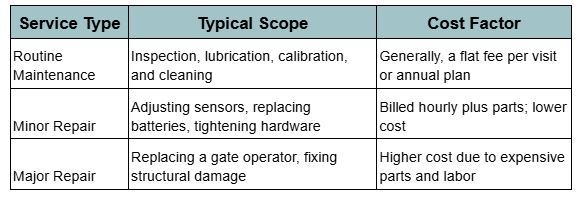
A professional maintenance plan can improve reliability and reduce surprise breakdowns. Many St. Louis providers schedule routine visits once or twice per year to perform detailed inspections, checks, calibrations, and system testing. These visits help ensure settings are accurate, safety features are responsive, and mechanical movement is consistent.
Service needs vary by system type and the gate’s daily cycle frequency. A plan may cover routine inspection and checking, while repairs are typically handled separately, depending on the issue. When comparing options, focus on what is included in each visit, how emergency service is handled, and how quickly parts can be sourced if a replacement is needed.
Safety Features in Modern Automated Gate Systems
Modern automatic gate systems are designed with safety in mind, as gates are large and powerful and can move with significant force. That is why built-in detection and stop/reverse features matter. A properly configured automatic gate system uses sensors to detect a vehicle, guest, pet, or object in the gate path. When an obstruction is detected, the system can stop movement or reverse direction to reduce the chance of property damage and unsafe contact.
It is also essential for an automatic gate or gate automation system to comply with recognized safety requirements. Compliance supports safer daily operation for family members, visitors, and on-site technicians. When selecting a new system or upgrading an existing one, understanding the available safety features helps you choose the proper setup for your property and access needs.
To learn the must-have protection devices, read What Safety Features Should an Automated Gate Have?
Essential Safety Components and Compliance Standards
Photo-eye sensors are among the most critical safety components in automatic gate systems. These devices send an infrared beam across the closing path. If a vehicle, guest, or object breaks the beam while the gate is closing, the system can stop immediately and reverse. Many setups use two monitored safety devices to align with required safety practices and reduce risk during operation.
Most gate operators also include internal obstruction sensing. This detects changes in motor load and resistance. If the gate meets an obstruction, the operator senses increased force and triggers a stop/reverse response. Proper adjustment of sensitivity and limit settings is critical, so a professional should confirm calibration during inspection.
Safety standards such as UL 325 help define how powered gate operators should be designed and used, including monitored entrapment protection. When a system adheres to these standards and is professionally inspected, the gate is more likely to operate safely and consistently.
Enhancing Security with Advanced Gate Technology
Today’s automatic gate systems can strengthen security well beyond basic remotes. Modern access control can manage who enters, when access is allowed, and how entry is tracked. Many systems also store entry activity logs, helping homeowners monitor usage patterns and confirm access history.
Telephone entry and video intercom options let you speak with a guest at the gate and grant access remotely. When paired with cameras and alarm integration, the gate becomes part of a broader security setup that supports controlled entry and stronger oversight.
Common advanced options include:
- Keypad entry: Create temporary codes for guests or short-term service visits.
- Smartphone control: Open or close gates remotely and receive activity alerts, depending on the system.
- Magnetic locks: Provide a stronger holding force to help keep the gate secured when closed.
Automated gate systems can help a homeowner strengthen access control, improve daily entry, and support a safer property routine. With the proper layout, materials, and safety parts, an automatic gate system can match different driveway needs and deliver reliable performance in changing weather conditions. When you understand gate automation systems, gate types, and the safety features that matter most, it becomes easier to select an option that fits your property and supports long-term durability.
Guardian Door & Gate helps homeowners with automated gate systems, automatic gate openers, and accessories designed for dependable entry control. If you have questions about installation, routine maintenance, or safety upgrades, contact us or give us a call to speak with a professional and receive clear recommendations for your property.
Frequently Asked Questions
Do residential and commercial gates need different maintenance?
Yes. Both need regular maintenance, but commercial systems often require more frequent checking because they cycle more times per day. Higher use increases wear on rollers, hinges, and operator parts, so service schedules are typically tighter for commercial sites.
Are emergency automated gate repair services available in St. Louis?
Yes. Emergency automated gate repair is widely available in St. Louis, especially for gates that will not close, remain open, or trap vehicles. We prioritize safety-related failures and focus on restoring secure operation as quickly as possible.
What are common signs that a gate needs repair?
Common signs include grinding or squeaking noises, slow or jerky movement, sagging or misalignment, and a gate that will not latch if it reverses unexpectedly or stops mid-cycle. These issues also signal a problem that requires professional inspection.
What is the difference between manual and automatic gate repairs?
Manual gate repairs usually involve hinges, latches, alignment, or structural wear. Automatic gate repairs can include the operator, control board, wiring, safety sensors, and access devices. Because powered systems involve electrical parts and safety calibration, professional service is usually recommended.
How can I reduce the chance of needing repairs?
Routine checking helps. Keep the travel path clear, keep sensors clean, tighten loose hardware, and apply the correct lubricant to hinges, rollers, and drive components as needed. Regular maintenance by a technician also helps catch worn parts early.
What safety features should an automatic gate have?
A safe automatic gate system should include monitored photo-eye sensors and properly calibrated obstruction detection in the operator. Many systems also use edge sensors for added protection. We also verify that safety parts respond correctly during inspection.
How do I choose between different gate operators?
Operator selection depends on gate weight, gate length, wind exposure, and whether the gate slides or swings. Cycle rate matters too; high-use locations need operators rated for frequent operation. A professional site inspection helps match the correct operator to the gate’s demands.
What access control options are available for automated gates?
Common options include remotes, keypads, smartphone control, intercoms, and telephone entry. The best choice depends on how many users need access, whether you need temporary entry codes, and how much monitoring you want for the entry point.
Do commercial gates require different repair procedures than residential gates?
The troubleshooting approach is similar, but commercial gates are often larger and heavier, and used more frequently, which can make repairs more complex. Commercial sites may also use more advanced access control and safety systems, which require more detailed inspection and calibration.