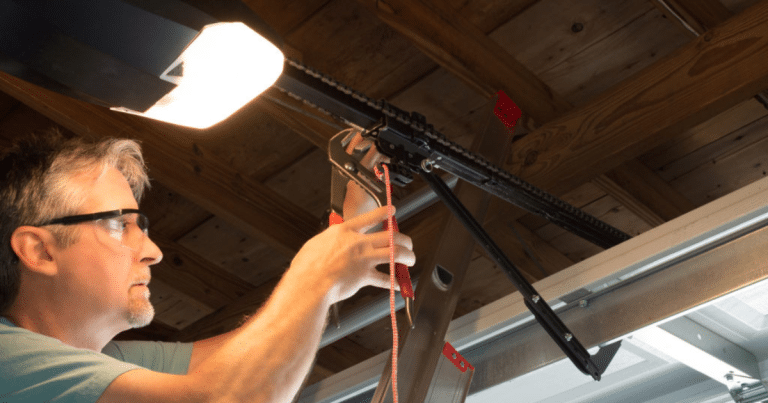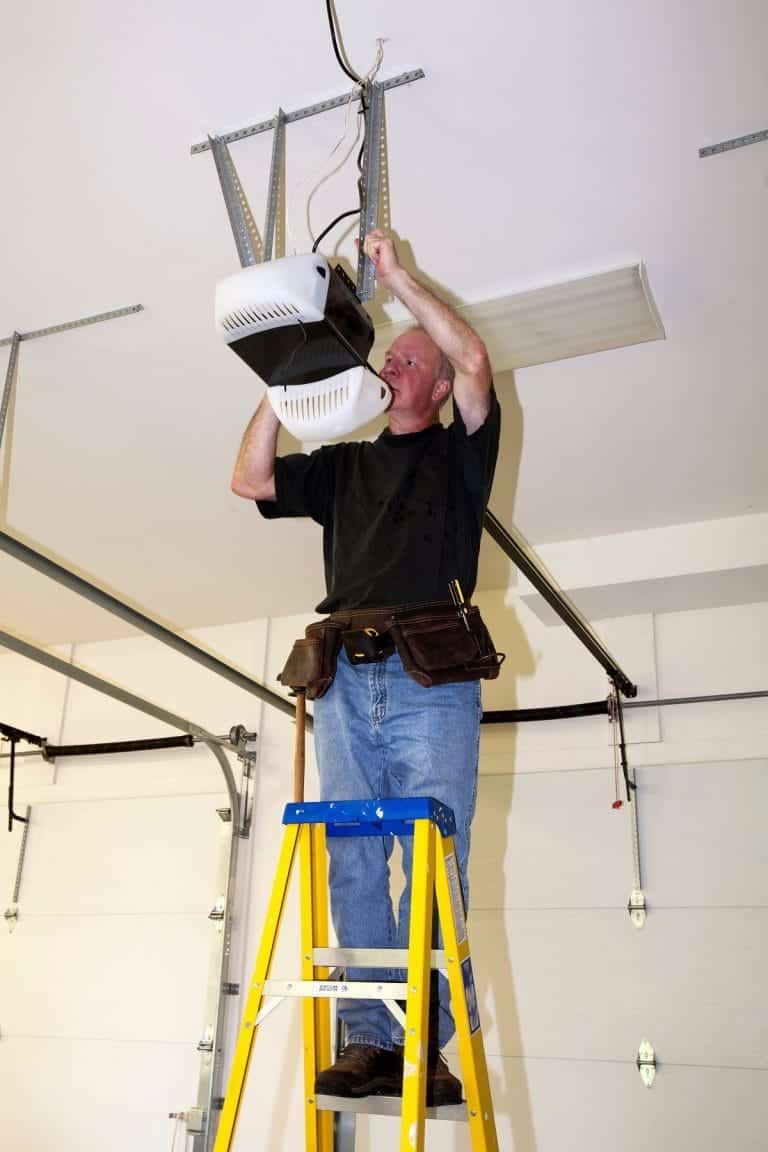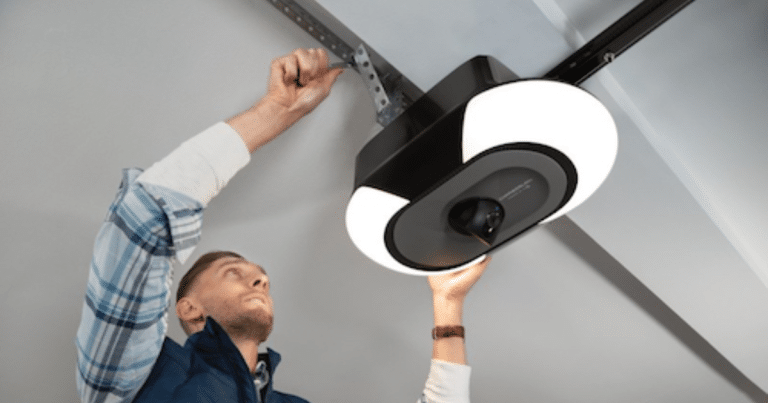
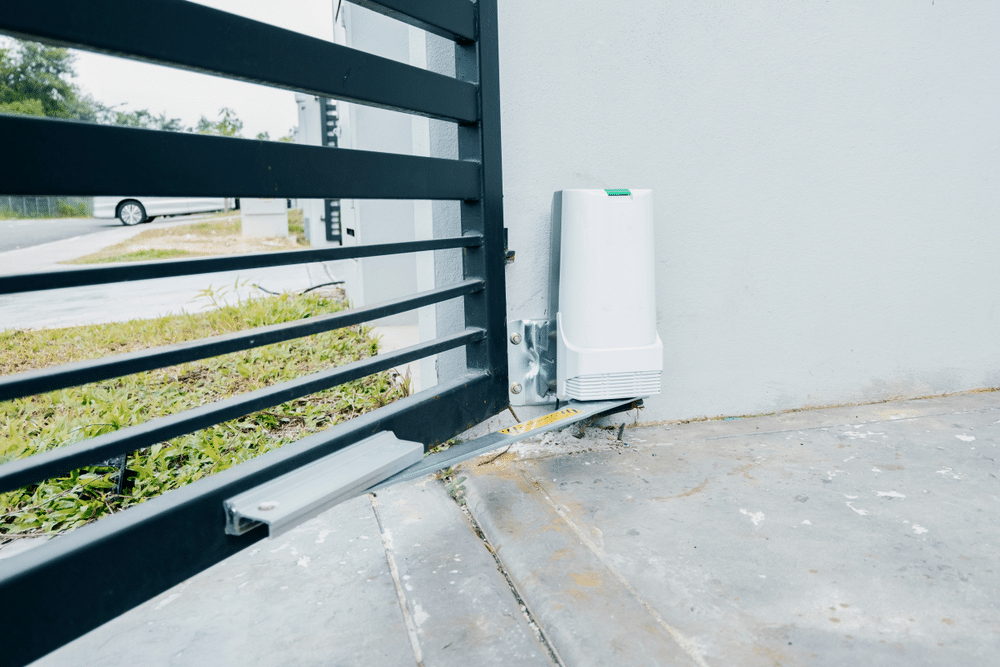
Automated gates can enhance curb appeal while strengthening access control for homeowners. Gate automation also simplifies daily entry and exit, especially for residential gates used multiple times each day. Because these systems move heavy panels using motor power, safety features are essential to protect vehicles, pets, and property during every open-and-close cycle.
The proper setup includes responsive sensors, clear warning devices, and reliable controls to prevent gate damage and sudden reversals or unexpected closures. From photo-eye beams to safety edges and manual-release hardware, each layer reduces risk and keeps motion predictable. Professional installation and routine inspection ensure safety devices are aligned, travel limits are accurate, and emergency release functions are ready when needed. With the proper safety features, an automated gate ensures consistent operation in changing weather conditions and provides confidence each time it moves at home.
Essential Safety Features in Automated Gate Systems
Modern automated gate systems prioritize safety because an electric gate is heavy, powerful, and designed to move with consistent force. For a homeowner, the safest setup includes layered protection that manages motion, detects obstacles, and maintains controlled operation throughout every cycle. Safety sensors detect objects in the travel path, and a manual release option enables controlled access during power loss or in urgent situations. Long-term durability depends on high-quality installation, proper alignment, and routine inspections to ensure safety devices remain responsive.
When safety features drift out of calibration or when moving parts wear, performance can become unreliable. The gate may fail to open or close consistently, sensors may stop responding, or the operator may struggle under increased tension. In these situations, professional service is essential to ensure the system can be inspected, recalibrated, and returned to safe operation before damaged parts cause larger issues.
A complete safety setup also includes clear warning indicators and properly adjusted travel limits. Audible or visual alerts signal gate movement to nearby vehicles and guests, while accurate open-and-close limits help prevent over-travel, impact, and sudden reversing. Combined with responsive sensors and a working manual release, these safety layers help keep residential gates predictable and secure during daily use.
For a full explanation of how these systems function together, read What Are Automated Gate Systems and How Do They Work?
Safety Sensors and Detectors for Preventing Accidents
Safety sensors are a primary feature of automated gate systems, helping detect obstructions at the entry point before contact occurs. When sensors detect a vehicle, pet, or object in the travel path, the system can stop or reverse to reduce the risk of property damage. Because residential gates rely on motor power and moving parts under tension, sensor reliability is critical with every open-and-close cycle, especially in driveways with frequent daily traffic.
If an electric gate begins to operate inconsistently, a sensor inspection should be a priority. Misalignment, lens debris, wiring issues, or sensitivity settings that drift over time can cause the system to stop unexpectedly, reverse without reason, or refuse to close. A professional can perform an inspection and recalibration to confirm correct alignment and confirm that the operator responds correctly to obstruction detection. Prompt service supports safer operations and helps ensure reliable access control.
Key sensor types include:
- Photo-eye sensors: Use an infrared beam across the gate opening. If the beam is interrupted, the gate stops or reverses.
- Loop detectors: Use underground wiring and a magnetic field to detect vehicles and prevent collisions.
- Edge sensors: Installed on gate edges. If contact occurs, the sensor signals the operator to stop and reverse.
Routine checks help ensure each sensor remains responsive, properly aligned, and ready to protect vehicles and property at the entry point.
To understand how different driveway layouts affect sensor placement and performance, read Which Types of Automated Gates Are Suitable for Your Driveway?
Emergency Stop and Manual Release Mechanisms
Even high-quality gate automation systems can face unexpected issues. Power loss, wiring faults, or operator issues can disrupt regular operation, and a homeowner needs a safe way to control the gate without relying on the motor. Emergency stop and manual release mechanisms ensure safe access when the gate must stop immediately or when the entry point must be opened or closed manually. Professional installation ensures these features are installed correctly, operate smoothly, and remain accessible in emergencies.
Emergency controls also reduce risk during a malfunction. If a gate continues moving when it should stop, an emergency stop can halt travel immediately, reducing the risk of vehicle or property damage. A manual release option allows the operator to disengage the gate, enabling hand movement without forcing moving parts under tension. Routine inspection helps confirm that the release hardware operates correctly, the stop function responds instantly, and the battery backup remains reliable during outages.
Essential emergency features include:
- Emergency stop button: A clearly marked control that stops gate movement immediately by cutting power to the operator.
- Manual release lever or key: Disengages the operator, allowing the gate to be moved safely by hand.
- Battery backup: Provides temporary operation during power loss so access control remains available.
These safety features help keep residential gates safer, more reliable, and easier to manage when unexpected issues interrupt normal gate automation.
For a practical reference on stable gate movement and hardware fundamentals, read This Old House’s fence gate installation guide.
The Role of Secure Access Controls in Gate Automation
Secure access controls are a core component of gate automation, managing who can use the entry point and when. For a homeowner, a proper setup supports safer daily routines by limiting access to authorized users and reducing the risk of unauthorized access. Options such as remotes, keypads, and intercoms can enhance convenience while maintaining consistent access control, mainly when multiple guests, deliveries, or service visits occur during the week. Selecting access controls that align with gate style, daily traffic, and security goals helps ensure the system remains reliable.
Access controls also need routine inspection to remain dependable. Batteries, wiring connections, antenna placement, and weather exposure can reduce performance over time, leading to delayed response or inconsistent access. A technician can perform checks and calibrations to ensure that every access method triggers the operator correctly, that safety logic remains active, and that entry activity remains predictable. When access control is stable, the gate is less likely to cycle unexpectedly or remain unsecured due to missed commands.
When selecting a gate company, choose one with experience installing and servicing multiple access control types. That helps ensure proper setup, reliable operation, and quick troubleshooting if a remote, keypad, or intercom malfunctions. With the appropriate professional support, access control stays secure, responsive, and aligned with the safety needs of residential gates.
Keypad Entry, Remote Controls, and Intercom Integration
A secure gate system provides multiple ways to manage approved entry while maintaining consistent access control. Keypad entry, remote controls, and intercom integration are common options because they support daily convenience without weakening security. For a homeowner, the best choice depends on how many users need access, how often visitors arrive, and how the entry point is used during the week. A professional can review gate style, operator compatibility, and signal range to help select a setup that stays dependable.
Access reliability also depends on routine inspection. Weather exposure, battery decline, wiring issues, and signal interference can cause delayed response or inconsistent activation. A technician can perform checks to confirm the keypad responds correctly, remotes communicate cleanly with the operator, and intercom audio remains clear. Consistent calibration helps reduce failed entry attempts that can leave the gate unsecured or trigger repeated cycling.
Popular access options include:
- Keypad entry: Users enter a PIN to open the gate. Codes can be updated for new residents, recurring guests, or short-term access.
- Remote controls: One-button entry from a vehicle supports quick access without leaving the car.
- Intercom systems: Two-way communication helps verify visitors before granting access, supporting safer daily control.
Advanced Security Features: Video Surveillance and Alarms
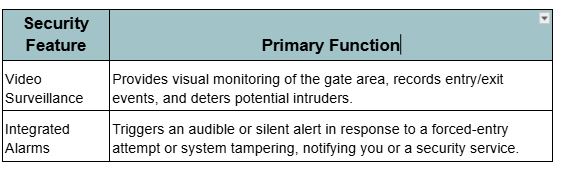
Security can be strengthened by integrating gate automation with video surveillance and alarm systems. Cameras help monitor the entry point in real time, capture footage for review, and deter unauthorized access by increasing visibility. Alarms add another layer by alerting you when forced entry, tampering, or abnormal gate activity is detected. For homeowners, these upgrades provide stronger access control and clearer visibility of activity near residential gates.
Integration should be planned carefully so security features support safety rather than create unreliable operation. A professional can confirm that camera placement avoids blind spots, verify that wiring remains protected from weather, and ensure that alerts are triggered by meaningful events rather than routine gate cycles. When these systems are integrated correctly, monitoring and alarms enhance security while keeping gate movement smooth and dependable.
Here is how these features enhance security:
Compliance Standards, Signage, and Safe Operating Settings
Safety features work best when the automated gate system is configured to meet recognized safety requirements and operational expectations. Many automated gate systems are designed to comply with widely referenced standards, such as UL 325 for gate operator safety and ASTM F2200 for gate construction guidance. A professional can confirm your system setup aligns with the operator requirements, safety sensor placement, and gate design expectations to support safer movement at the entry point.
Clear signage and visibility also matter for residential gates and light commercial entries. Warning signs help guests recognize that an automated system is in operation, while proper lighting improves visibility at night and during stormy weather. Service visits should include checking travel limits, auto-close timing, and force settings to ensure the gate does not close with unnecessary tension. When a gate is tuned correctly and safety devices are aligned, opening and closing stay predictable and safer during daily use.
Safety Edges, Controlled Movement, and Gate Design Details
Beyond photo-eye sensors and loop detection, safety edges add an essential layer of protection. A safety edge is a pressure-sensitive strip mounted on the gate’s key contact zones. If contact occurs, the edge sends a signal to the operator to stop and reverse. This is especially valuable for residential gates with tight clearances, limited visibility at the entry point, or frequent vehicle traffic.
Controlled motion features also improve safety. Many operators support soft start and soft stop, which reduces sudden movement and helps limit shifting alignment over time. Speed settings, smooth acceleration, and stable latch engagement help reduce abrupt cycling, which can damage parts. Gate design also matters: proper spacing, stable mounting posts, reinforced hinges or rollers, and a clean travel path all support safer operation. Routine inspection helps confirm that the gate remains level, the safety edges function correctly, and the operator is calibrated for the gate’s weight and daily cycle rate.
For a simple, homeowner-friendly reference on checking photo-eye sensor response and alignment, read JourneymanHQ’s gate troubleshooting guide.
Importance of Regular Gate Maintenance and Professional Gate Repair
Installing an automated gate with strong safety features is only the starting point. To keep the system operating safely and consistently, regular gate maintenance is essential. Over time, moving parts can wear down, safety sensors can shift out of alignment, and hardware can loosen, which may lead to uneven travel or unreliable closing. Routine inspection helps confirm that the operator, sensors, and access controls stay responsive during every open-and-close cycle.
Maintenance also supports long-term durability by managing system tension. When hinges, rollers, tracks, or drive parts begin to bind, the operator works harder, and wear accelerates across multiple parts at once. Regular checks help confirm smooth travel, stable alignment, and consistent latch engagement, supporting safer access control and reducing the risk of sudden failure during daily operation.
Professional gate repair supports safety by identifying issues early and restoring proper operation before damaged parts create larger problems. A trained technician can perform detailed checks, apply proper lubrication where needed, and recalibrate sensor response and travel limits to ensure the gate moves predictably. With consistent maintenance and timely service, gate automation stays dependable, protects access control, and performs reliably through changing weather conditions.
For guidance on service timing and inspection intervals, read How Often Do Automated Gate Systems Need Maintenance?
How Automated Gate Services Address Safety Inspections
Professional automated gate services conduct structured safety inspections to verify that all safety features and operating systems are functioning correctly. A technician uses a consistent checklist to inspect sensors, verify smooth travel, and confirm that the operator responds correctly during opening and closing. This hands-on inspection helps identify early wear, alignment drift, and access-control issues before they lead to unreliable motion or unsafe operation.
During service, the technician focuses on calibration and mechanical condition. That includes sensor alignment and response testing, operator inspection, and verification of wiring integrity to ensure safety devices remain reliable. Proper lubrication is applied to moving parts to support smoother travel and reduce wear, and mounting hardware is checked to confirm the gate remains level and stable under daily tension. Regular inspection supports safer performance and helps minimize unexpected downtime.
A typical safety inspection includes:
- Testing and recalibration of safety sensors, as needed
- Applying lubrication to hinges, rollers, chains, and other moving parts
- Inspecting operators and electrical connections to ensure stable performance
- Testing access control devices, including remotes, keypads, intercoms, and related equipment
Regular safety features help an automated gate operate more reliably and with fewer risks during daily use. Safety sensors, emergency stop controls, and manual release options support safer movement, while secure access controls help manage who can use the entry point. With routine inspections and timely calibration, these safety layers remain responsive and help reduce property damage over time.
Guardian Door & Gate provides automated gate safety support through high-quality installation, safety-focused inspections, and professional service designed to ensure reliable access control. If you want to review safety features, schedule a routine check, or request support for an existing system, contact us or give us a call to schedule a consultation.
Frequently Asked Questions
Can a gate company service both manual and automated gates?
Yes. A qualified technician can inspect, maintain, and repair both manual and automated gate systems. Each style requires different checking methods, but experienced professionals understand how to work with hinges, operators, access controls, and safety systems.
Do automated gate installation or repair services include a warranty?
Many reputable providers offer warranties that cover installed parts and labor. Warranty terms vary by system type and service scope, so homeowners should request details during consultation to understand coverage and duration.
How can I tell if my gate opener needs repair or replacement?
Warning signs include slow movement, repeated recalibrations, unusual sounds, or inconsistent responses to access commands. A technician’s inspection helps determine whether a targeted repair or a complete replacement offers better long-term reliability.
What is the difference between gate repair and gate replacement?
Repair restores damaged parts such as operators, hinges, or sensors. Replacement involves installing a new gate system when the existing system is worn or no longer supported. Inspection helps determine which option best supports durability and access control.
Are local St. Louis technicians familiar with both sliding and swing gates?
Yes. Local professionals regularly service sliding and swing gates and understand track alignment, hinge tension, operator calibration, and safety sensor checking required for each gate type.
What benefits come from professional gate repair instead of DIY work?
Professional service ensures accurate inspection, proper calibration, and safe handling of high-tension parts and electrical systems. This reduces rework, preserves access control performance, and supports long-term system reliability.
How can a homeowner strengthen a fence gate?
Gate strength improves with reinforced hinges, secure posts, diagonal bracing, and routine inspection. Addressing sagging early and maintaining protective finishes helps support durability for both wood and metal gate structures.
What advantages do automated gates provide for residential properties?
Automated gates support controlled access, improve daily convenience, and enhance the exterior presentation. Homeowners benefit from easier entry management, consistent operation, and added security through integrated access controls and safety features.
How do automated gate systems operate safely?
Automated gates use an operator, an access control device, and safety sensors to manage movement. Sensors detect obstructions, while control systems regulate the entry point’s opening and closing to ensure reliable, safe operation.