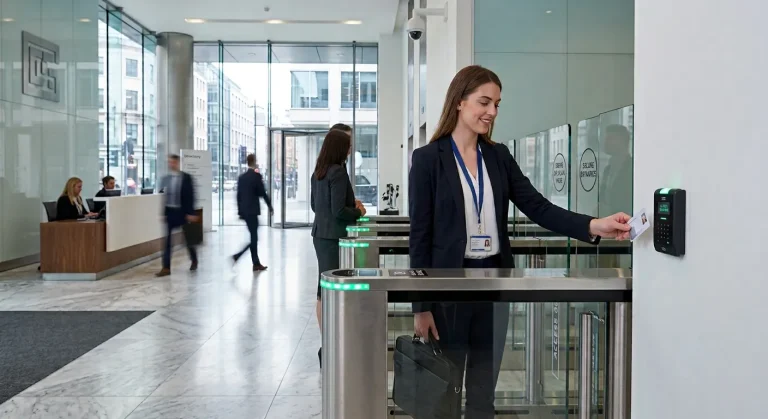
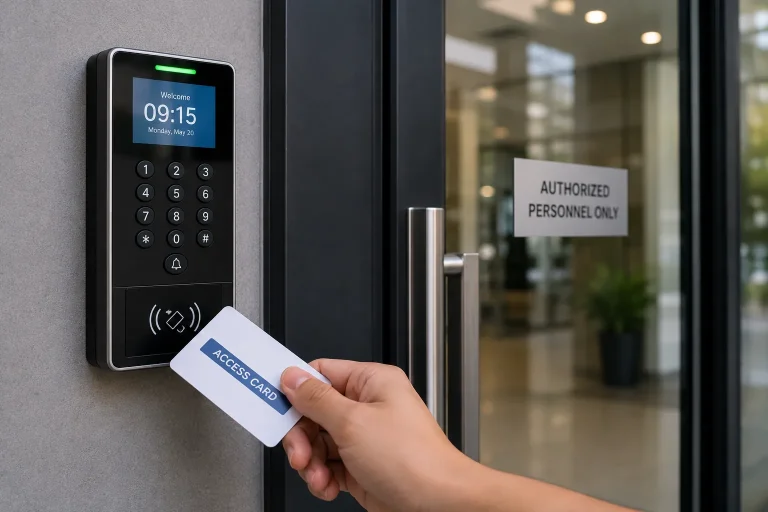
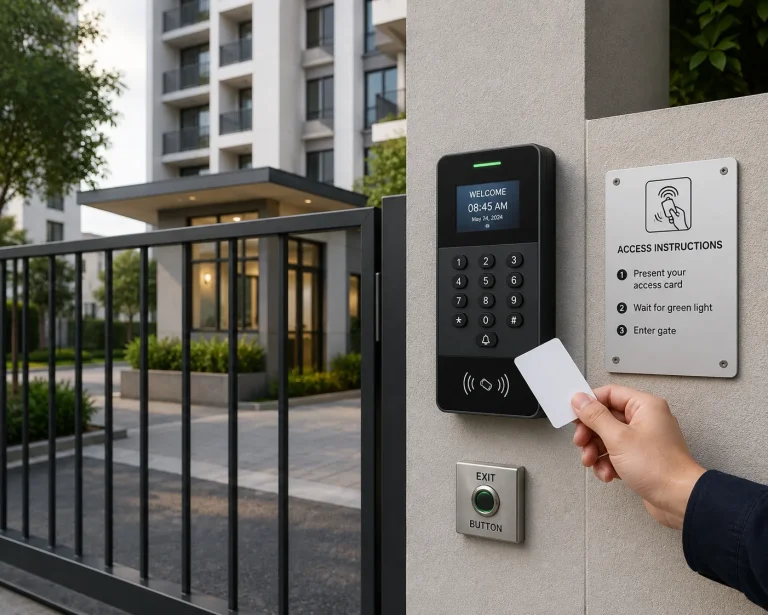
An automated gate system is made up of multiple components that each carry a specific load every time the gate to move. Gate automation places consistent mechanical and electrical demands on every part, and that demand builds over time until something fails without warning.
Batteries drain, motors strain, sensors drift out of position, and wiring degrades from years of exposure to the elements. Knowing which parts of an automated gate system wear out first is the starting point for every property owner who wants to stay ahead of failures before they become full system breakdowns.
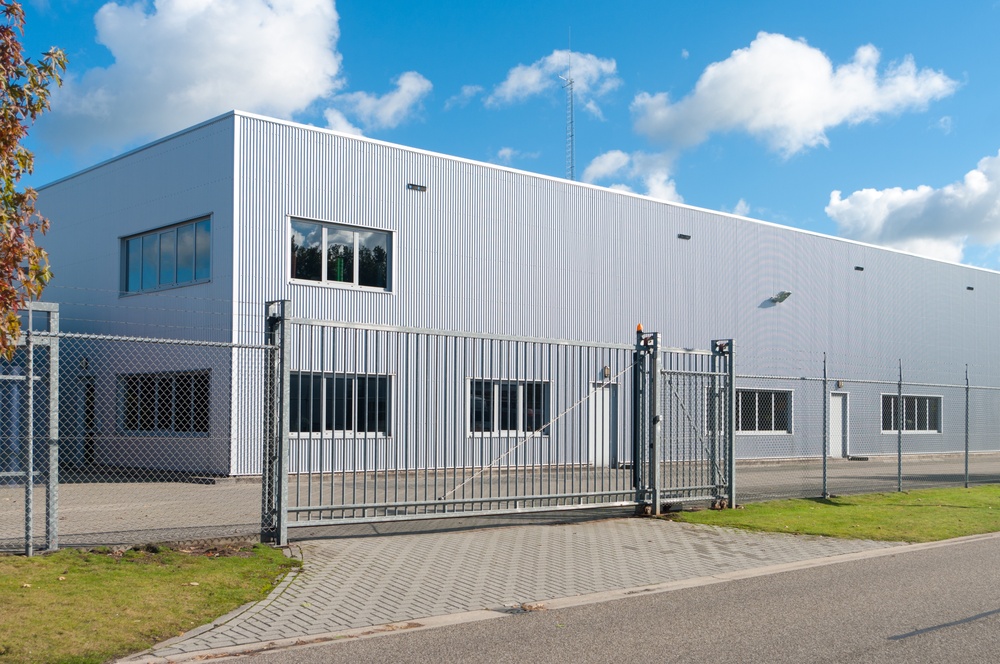
Do All Automated Gate Parts Wear Out at the Same Time?
Different parts within an automated gate system experience varying levels of stress and environmental exposure, so each component follows its own wear timeline rather than breaking down all at once.
Here is how wear timelines differ across gate components:
| Gate Component | Average Lifespan | What Happens When It Wears Out |
| Remote Controls and Keypads | 2 to 5 years | Buttons become unresponsive, and the signal range drops significantly |
| Batteries | 3 to 5 years | Gate movement slows down or stops working entirely |
| Safety Photocell Sensors | 5 to 10 years | Gate reverses without obstruction or refuses to close |
| Wiring and Limit Switches | 5 to 10 years | Gate stops mid-cycle or behaves erratically during operation |
| Gear Assemblies and Drive Chains | 5 to 10 years | Gate moves unevenly, and the motor strain increases significantly |
| Control Boards | 5 to 10 years | Entire system loses function or behaves without any pattern |
| Motors and Operators | 7 to 12 years | Gate fails to complete full open or close cycles |
To understand how wear over multiple timelines creates widespread system damage, read our guide on What Happens If an Automated Gate System Isn’t Serviced?, which explains how skipped servicing turns small issues into costly failures.
Common Automated Gate System Parts That Wear Out Over Time
Batteries
Most gate batteries fail between three and five years, making them among the first components in an automated gate system to show wear.
Battery wear shows up in these ways:
- Cold weather causes the gate to hesitate or fail to respond entirely
- Remote signals stop reaching the gate from normal operating distances
- Power loss occurs more frequently without any clear electrical cause
- Gate movement slows down noticeably during open and close cycles
- Full cycles stop completing before the gate reaches its endpoint
Unaddressed battery wear places the entire automated gate system under power-related strain, affecting every connected component.
Control Boards
Control board deterioration is one of the most disruptive failures an automated gate system can experience because every command runs through it first.
Key signs a control board is beginning to fail:
- Certain gate functions stop working while others still operate normally
- Error codes appear on the control panel without any identifiable cause
- Programmed access settings reset or disappear without manual input
- Gate response becomes inconsistent across different times of the day
- System behavior turns erratic without any identifiable trigger
Every function the automated gate system depends on is affected the moment the control board begins to fail.
Wiring and Limit Switches
Wiring and limit switches are among the most overlooked components, despite constantly experiencing environmental stress with every cycle.
Common indicators of wiring and limit switch wear include:
- Gate stops mid-travel without completing a full open or close cycle
- Intermittent behavior appears after heavy rain or freezing temperatures
- Visible cracking or brittleness develops along exposed wiring sections
- Pest damage leaves chewed or frayed sections along wire runs
- Gate movement continues past the intended stop point during operation
Damaged wiring and worn limit switches push strain into every connected component and often require gate repairs before the system loses reliable function.
Gear Assemblies, Belts, and Drive Chains
Gradual wear on gear assemblies, belts, and drive chains directly reduces the efficiency of the entire drive system with every cycle.
Look for these signs of gear and chain deterioration:
- Grinding or squealing sounds occur during every open and close cycle
- Visible rust or corrosion appears along chain links or gear teeth
- Gate movement becomes jerky or uneven throughout the full travel path
- Gate operators produce increasing noise as internal gears struggle to maintain consistent torque
- Unusual vibration radiates from the motor housing during operation
Worn gears and drive chains push the motor beyond its designed load capacity on every single open and close cycle.
Hinges and Rollers
Hinges and rollers rank among the most physically stressed components in any automated gate system, carrying the full structural weight of the gate on every cycle.
Hinge and roller failure often appears as:
- Gate drags along the ground or scrapes audibly during movement
- Visible rust or pitting develops across hinge surfaces over time
- Rollers wobble, skip, or jump along the track during operation
- The gate tilts to one side as the hinges lose their load-bearing integrity
- Resistance increases noticeably during both open and close cycles
Seasonal ice and debris buildup in St. Louis accelerates hinge and roller wear faster than nearly any other environmental factor, especially on older gate installations.
Safety Photocell Sensors
Outdoor exposure steadily compromises safety sensor detection, making them one of the most maintenance-dependent components in the system.
Signs of photocell sensor deterioration include:
- The gate reverses direction without any obstruction present in the travel path
- Sensor indicator lights blink irregularly or stay completely off
- Gate behavior shifts noticeably during rain, fog, or low-light conditions
- One sensor light stays active while the opposite side shows nothing
- Closing attempts fail consistently, while opening still works normally
Spider webs, moisture, and debris contamination rank among the most common electric gate problems found during professional inspections.
Remote Controls and Keypads
Constant physical interaction makes remote controls and keypads the fastest-wearing access components in any automated gate system.
Look out for these remote and keypad deterioration signs:
- Buttons require harder pressing before the gate registers a command
- The remote control range drops and only functions from very short distances
- Keypad buttons feel loose, sticky, or completely unresponsive to input
- Entry codes need multiple attempts before the access control system accepts them
- Backlight on the keypad stops functioning after extended outdoor exposure
Physical wear on access components signals that the automated gate system needs a professional evaluation before access failures begin.
What Causes Automated Gate Parts to Wear Out Faster in St. Louis
Specific weather patterns and daily usage conditions accelerate wear on automated gate system components faster than most property owners expect.
Common causes of accelerated gate part wear include:
- Freeze-thaw cycles crack wiring insulation and weaken rubber seals
- High humidity promotes rust and corrosion on hinges, rollers, and drive chains
- Ice accumulation inside tracks jams rollers and strains gate operators
- Skipping automated gate maintenance allows friction and debris to compound
- High daily gate cycles push motors and gear assemblies past designed tolerance
These conditions work against every component simultaneously, making routine professional inspections a necessity for any automated gate system.
How Worn Gate Parts Affect the Entire Automated Gate System
Deteriorating parts within an automated gate system place additional stress on connected components, eventually causing failures to spread across the entire setup.
Common ways worn gate parts affect the entire system:
- Motor strain increases as mechanical parts lose their ability to move freely
- Security gaps form when worn components prevent the gate from closing fully
- Faulty sensors stop detecting obstructions during closing cycles
- Worn keypads and remotes make access control system repair unavoidable
- Ignored wear on one part spreads damage across every connected component
To spot the earliest warning signs before worn parts compromise the entire system, read our guide on Signs an Automated Gate System Needs Repairs, which walks through the most telling indicators that professional attention is needed.
Worn Automated Gate Parts: Repair or Full Replacement?
A trained technician can assess each worn component and determine whether targeted repair or full replacement is the most practical path forward.
| Gate Component | Repair or Replace? | Why |
| Wiring and Limit Switches | Repair | Isolated damage can be spliced or individually swapped without full system disruption |
| Safety Photocell Sensors | Repair | Cleaning, realignment, or lens replacement restores full detection function |
| Remote Controls and Keypads | Repair | Individual buttons and circuit boards can be replaced without full unit replacement |
| Batteries | Replace | Worn batteries cannot be restored and require a direct swap on a fixed schedule |
| Gear Assemblies and Drive Chains | Replace | Parts worn past functional tolerance cannot perform reliably after repair |
| Control Boards | Replace | Moisture and surge damage compromise internal circuitry beyond reliable repair |
| Motors and Operators | Replace | Burned-out motors lose output capacity that repair cannot fully restore |
To find out how often gate parts should be professionally checked, read our guide on How Often Should an Automated Gate System Be Serviced?, which covers the service intervals that keep every component within its functional lifespan.
Scheduling a Service Visit Early for Worn Automated Gate Parts Prevents Bigger Failures
Understanding the wear timeline of every component inside an automated gate system is the most effective way to prevent unexpected failures and protect a long-term investment. Batteries, control boards, sensors, gears, and wiring each follow a different schedule, and tracking each one keeps the entire system performing at full capacity.
Guardian Door and Gate has the experience and technical expertise to inspect, service, and replace every worn component in an automated gate system throughout St. Louis, MO. Contact us or give us a call today, and let our team assess every part of the system to restore full performance and extend the life of every component.
Frequently Asked Questions
Can a single worn part affect the lifespan of other components in the system?
Yes. One deteriorating component forces surrounding parts to absorb added strain, and that compounding pressure accelerates wear across the entire gate automation system faster than normal use would.
Is it possible to extend the lifespan of automated gate parts without replacing them?
Yes. Routine cleaning, lubrication, and scheduled professional inspections slow down deterioration on mechanical and electrical components and keep each part operating within its intended lifespan.
How often should individual gate parts be inspected by a professional?
Most gate components benefit from a professional inspection at least once a year. High-traffic properties may require more frequent evaluations, depending on how often the gate cycles.
What is the difference between a gate part that needs repair and one that needs full replacement?
Parts with isolated or surface-level damage are strong candidates for automatic gate system repair, while components with structural failure or complete electrical burnout typically require full replacement.
Can worn gate parts cause the system to fail without any warning signs?
Yes. Control boards and wiring can deteriorate internally without visible symptoms until a complete failure occurs, which is why routine professional evaluations are critical for any gate automation setup.
What happens if worn gate parts are left unaddressed for an extended period?
Multiple components will fail simultaneously, eliminating the smooth operation the entire automated gate system was designed to deliver and significantly increasing the scope of repairs required.
Are there any gate parts that wear out faster on sliding gates than on swing gates?
Yes. Rollers, tracks, and drive chains on sliding gates absorb the full panel weight along a fixed travel path with every cycle, which places more concentrated stress on those components than swing-gate hardware typically experiences.
When does a worn automated gate system require emergency gate repair service?
Properties that rely on the gate as a layer of security for daily access should contact a professional immediately when the gate stops responding, fails to latch, or shows signs of electrical failure during operation.
Do older automated gate systems have parts that are harder to replace than newer models?
Yes. Older gate installations may use discontinued components that require custom sourcing or compatible substitutions, which is why keeping a record of the gate model and installation date helps technicians during service visits.