An automated gate system goes through hundreds of open and close cycles every month, and every cycle puts mechanical and electrical stress on its components. Without a structured service schedule, that daily wear builds up silently until a minor issue becomes a full system failure.
Gate automation depends on consistent professional attention to keep every mechanical and electrical component working at full capacity. Knowing how often to schedule that service is the foundation of a maintenance plan that protects the system and extends its lifespan for years to come.
Why Does an Automated Gate System Need a Regular Service Schedule?
An automated gate system handles repeated mechanical and electrical stress every day, and without scheduled service, that stress compounds across every component until repairs become unavoidable.
Here is why a regular service schedule matters:
- Motors overheat from compensating for worn or dry mechanical parts
- Hinges and rollers seize from a lack of lubrication and pull the gate out of alignment
- Wiring degrades from vibration and environmental exposure over time
- Safety sensors drift out of calibration and fail to detect obstructions
- Control boards develop fault codes from repeated electrical irregularities
To understand how neglected service leads to system-wide damage, read our guide on What Happens If an Automated Gate System Isn’t Serviced?, which explains how minor wear can escalate into costly failures.
How Often Should an Automated Gate System Be Serviced?
Residential Gate Systems
The minimum service interval for residential automated gate systems is once every 12 months, and properties with heavier use need visits every six months.
Watch for these service intervals based on usage:
- Light daily use requires a minimum of one professional visit per year
- Moderate to heavy traffic warrants scheduling service every six months
- Swing gates and sliding gate setups accumulate wear on hinges and tracks faster
- Post-storm inspections are recommended after severe weather events
- Gate operators and sensors are checked at every residential service visit
Skipping scheduled visits allows minor wear to accumulate on mechanical and electrical components until the system no longer performs at its designed capacity.
Commercial and Multi-Family Gate Systems
Bi-monthly or quarterly servicing is the industry standard for commercial and multi-family properties, given the volume of daily demand on the system.
Key service considerations for commercial properties include:
- High daily traffic puts a constant load on gate operators and drive components
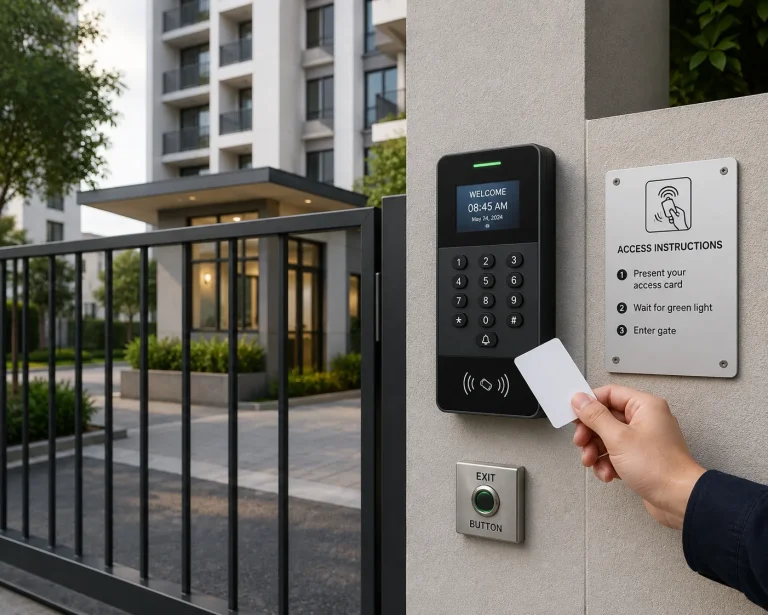
- Access control system components require inspection at every scheduled visit
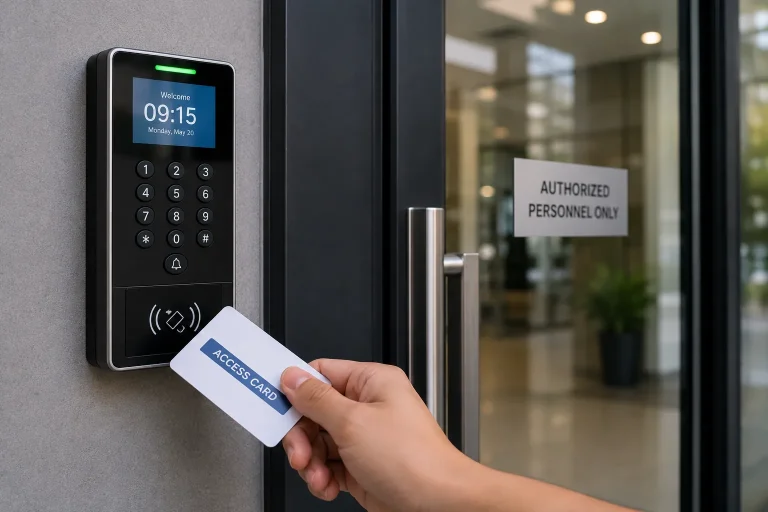
- Card readers and intercom systems need regular cleaning and functional testing
- Safety sensor calibration is mandatory at every commercial service visit
- Quarterly servicing prevents buildup that triggers unexpected operational failures
Delayed service at a commercial property increases the likelihood of unplanned gate repairs that consistent professional maintenance keeps under control.
New Gate Installations
Newly installed automated gate systems require a professional follow-up visit within the first 6 months to confirm proper operation.
Standard checks performed during a new installation follow-up include:
- Settling bolts inspected and tightened after the gate completes its break-in period
- Seals examined for gaps or compression issues that develop after initial use
- Motor load tested to confirm output matches design specifications
- Firmware updated if the manufacturer has released new software
- Sensor alignment verified to confirm consistent detection during every cycle
Scheduling this visit after gate installation protects the warranty and ensures the system performs as designed from the start.
Factors That Affect Automated Gate Service Frequency
Conditions specific to each property directly influence how often an automated gate system needs professional attention beyond the standard annual schedule.
Factors that affect service frequency include:
- High daily usage accelerates wear on motors, hinges, and drive components
- Gate type and design determine which stress points wear down fastest
- Exposure to seasonal temperature shifts strains mechanical and electrical parts year-round
- Older systems lose component efficiency and require more frequent professional visits
- Material composition affects how quickly hardware deteriorates under regular use
To see which specific components take the most wear under these conditions, read our guide on Automated Gate System Parts That Wear Out Over Time, which breaks down how each factor contributes to part-level deterioration across the system.
What a Routine Automated Gate Maintenance Visit Covers
A professional automated gate maintenance visit covers every mechanical and electrical component the system relies on to operate correctly.
Areas covered during a routine visit include:
- Hinges, rollers, and tracks inspected and lubricated to reduce friction and wear
- Motor load and wiring connections tested for proper output and stability
- The control board checked for fault codes and electrical irregularities
- Safety sensors calibrated to confirm accurate detection during every cycle
- Access control components including keypads and card readers tested for full functionality
Every item addressed during a routine visit directly contributes to consistent performance and a longer operational lifespan for the system.
What Can Go Wrong When Gate Servicing Is Skipped
Neglected service on an automated gate system allows mechanical and electrical stress to build across every component until normal operation is no longer possible.
Problems that arise from skipped service include:
- Worn rollers and dry hinges force the motor to work harder than designed
- Corroded wiring leads to intermittent failures and electrical shorts
- Uncalibrated safety sensors fail to detect obstructions during operation
- Delayed access control system repair leaves entry points exposed to unauthorized access
- Emergency gate repair service costs significantly more than a routine maintenance visit
To recognize the early warning signs before problems escalate, read our guide on Signs an Automated Gate System Needs Repairs, which covers the most common indicators that a system is overdue for professional attention.
Simple Checks Property Owners Can Do Between Service Visits
Basic visual checks between professional visits help identify early signs of wear before they become issues requiring immediate attention.
Common checks to perform between service visits include:
- Inspect hinges, rollers, and tracks for visible rust, debris, or physical damage
- Listen for grinding, squealing, or clicking sounds during gate operation
- Confirm the gate opens and closes fully without hesitation or stopping midway
- Check the gate frame for cracks, loose fasteners, or visible misalignment
- Test remote control and keypad access for consistent response
Anything unusual observed during these checks warrants a call to a professional technician before the next scheduled visit.
Timely Service Is the Key to a Long-Lasting Automated Gate System
Keeping an automated gate system in top condition comes down to knowing the right service intervals and acting on them before wear affects performance. A consistent maintenance schedule protects every component and ensures the gate performs reliably through every season.
Guardian Door and Gate serves residential and commercial property owners across St. Louis, MO, with expert automated gate maintenance and professional gate repair services. Contact us or give us a call today, and let our team create a service schedule to keep every component of your automated gate system running at full capacity.
Frequently Asked Questions
Does the frequency of gate use affect how often professional services are needed?
Yes. An automated gate system that cycles dozens of times daily places significantly more stress on motors, hinges, and drive components than one used a few times a week. Higher usage directly shortens the recommended interval between professional service visits.
What is the difference between a service visit and an inspection?
A service visit includes hands-on maintenance such as lubrication, calibration, and part adjustments, while an inspection is limited to assessing the condition of components. Most professional visits combine both into a single appointment.
Can a gate automation system go longer between service visits if it runs quietly?
No. Quiet operation does not confirm that all components are in good condition. Gate automation systems can have worn or misaligned parts that show no audible signs until the problem has already progressed.
How does skipping one service visit affect the overall condition of the system?
Skipping a single visit allows wear to accumulate on components that would otherwise be lubricated, tightened, or adjusted. Electric gate problems that develop during that gap often require more involved repairs to correct.
What credentials should a technician have to service an automated gate system?
A qualified technician should have experience with automatic gate system repair, knowledge of both mechanical and electrical components, and familiarity with the specific gate brand or model being serviced.
Does a gate that operates normally still need to be serviced on schedule?
Yes. Normal operation does not mean all components are performing at full capacity. Professional service identifies wear that is not yet affecting visible performance but will impact the system if left unaddressed.
How does the size of a gate affect its service requirements?
Larger and heavier gates impose greater loads on motors, hinges, and drive components. A gate automation system on a large commercial panel requires more frequent attention than a lighter residential design.
Can an automated gate system be over-serviced?
Servicing too frequently is rarely a concern for most property owners. Following manufacturer recommendations and adjusting intervals based on usage and environmental conditions is the most practical approach.
What should a property owner provide to a technician before a service visit?
Property owners should share the gate model, installation date, any recent operational changes, and a record of previous service visits. Having this information available helps the technician prioritize what to inspect and address during the visit.