Insurance typically covers garage door repair when sudden, accidental damage from a storm, vehicle, or break-in causes the problem, while gradual wear and tear is excluded. Policy wording, the cause of the damage, and the deductible decide the final outcome, so two similar doors can receive very different answers from an insurer.
A claim pays out only when the covered repair costs exceed the deductible, leaving minor repairs as an out-of-pocket expense for the property owner. This guide breaks down the coverage rules for storm damage, vehicle accidents, wear and tear, and break-ins, along with the paperwork that supports a strong claim.
Key Takeaways
- Sudden damage from storms, vehicles, or break-ins typically qualifies for coverage
- Wear and tear and missed maintenance usually fall outside policy terms
- Deductibles can exceed the total cost of a minor repair
- Photos and a written estimate strengthen the claim file
- Policy wording varies, so the insurer confirms the final answer
Garage Door Repair Situations Insurance Covers and Excludes
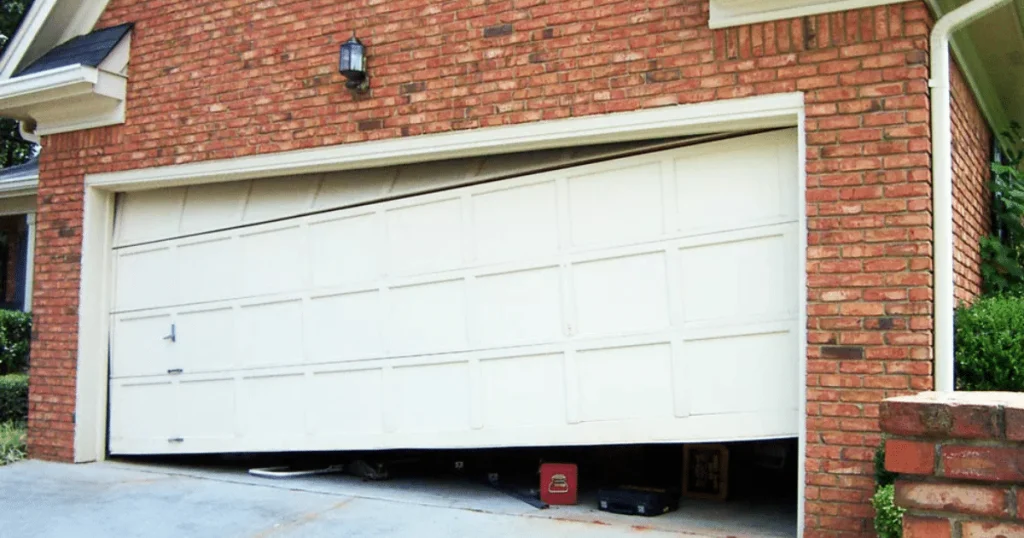
Coverage depends on the cause of the damage, since insurers classify every loss as covered, excluded, or policy-dependent under the policy terms.
| Cause of Damage | Typical Policy Payout | Deciding Factor |
| Storm and weather damage | Repair or replacement of panels, tracks, and hardware damaged by wind, hail, or debris | Wind, hail, or falling debris as the source of the damage |
| Vehicle impact | Repair of bent panels, tracks, and the opener after an accidental collision | Collision classed as accidental |
| Wear and tear | No payment, so aging springs, cables, and rollers stay the owner’s expense | Age and gradual deterioration of parts |
| Missed maintenance | No payment, so damage from neglect stays the owner’s expense | Neglect as the source of the damage |
| Power surges | Opener and control board repair, only when electrical damage is named in the policy | Electrical damage named in the policy wording |
| Break-ins and forced entry | Repair of forced panels, locks, and keypads | Police or incident report on file |
Insurers pay for sudden loss and decline gradual deterioration, so the cause of the damage matters more than the total repair cost.
Storm and Weather Damage
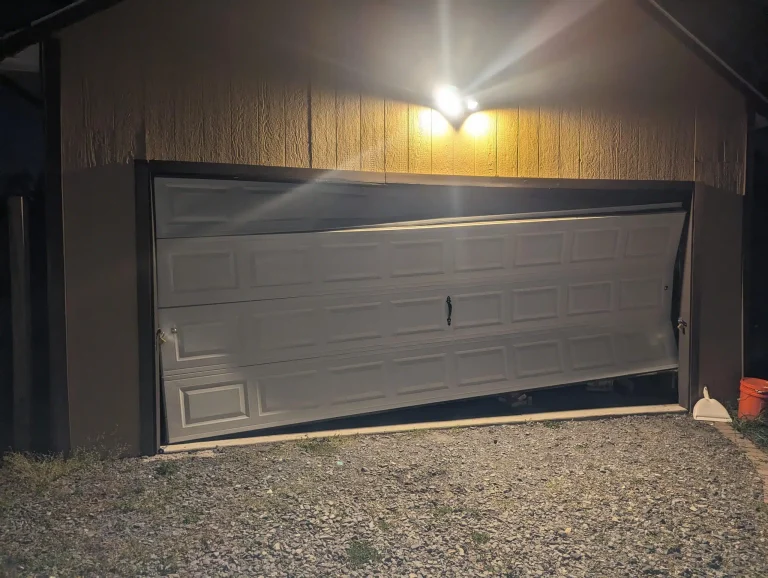
Wind, hail, and falling debris can bend tracks, dent panels, and force a door open, and policies often treat that kind of sudden damage as a covered loss.
Adjusters typically verify details like these after a storm:
- Dated photos of bent tracks and dented panels document wind and hail damage
- Falling branches or debris that crack steel doors usually qualify as covered perils
- Flood and groundwater losses often need separate coverage beyond a standard policy
- Visible damage to track brackets and hinges helps establish a storm cause
- Uneven movement after a storm may point to bent hardware that needs inspection
An unsecured opening creates a security risk and justifies emergency garage door repair, with the insurer notified first by phone.
Vehicle Impact and Accidental Damage
Collisions with a vehicle, ladder, or equipment count as sudden accidents, which gives them a stronger case for coverage than gradual deterioration.
Claim outcomes after an accident usually depend on points like these:
- Backing into the door with a car or truck typically counts as accidental damage
- Cable breaks and bent track sections after impact raise the repair estimate
- Damage to a double door can involve both panels and the supporting hardware
- Liability coverage may apply when a visitor or contractor caused the collision
- Weak or worn parts present before the collision may reduce the payout
To pinpoint how damage extent and part prices determine the size of an accident claim, read our guide, What Affects Garage Door Repair Prices in St. Louis, MO?, which breaks down each cost driver in detail.
Wear and Tear and Maintenance Exclusions
Gradual deterioration from daily cycling falls outside coverage, since insurers treat aging parts as a maintenance responsibility.
Policies commonly exclude losses tied to conditions like these:
- Torsion springs lose spring tension after repeated cycling, which counts as normal aging
- Rust and corrosion on extension springs and hardware reflect gradual deterioration
- Loud noises from dry rollers typically trace back to missing lubrication
- Worn cables and frayed drums develop slowly through regular use
- Neglected regular maintenance or DIY installation errors give an insurer grounds to deny a claim
Standard policy terms typically leave broken garage door spring repair with the property owner, since cycle wear counts as expected aging.
Power Surges and Break-Ins
Electrical surges and forced entry can damage the opener, wiring, and locking hardware, and coverage depends on the policy wording.
Insurers weigh points like these when electrical or theft damage is claimed:
- Lightning or surge damage to smart openers may qualify under named perils
- Burned circuit boards often need a technician statement before garage door opener repair begins
- Forced entry through a door panel usually calls for a police report on file
- Broken locks and keypads after a break-in create a security risk that needs quick attention
- Dead remote batteries and worn controls count as maintenance instead of surge damage
Forced entry or electrical surges can destroy the motor unit, and the final payout depends on how the policy treats that specific loss.
Deductibles and Claim Limits
Deductibles set the amount a policyholder pays before coverage begins, so minor repair costs often fall below the deductible itself.
Claim math usually comes down to details such as these:
- Flat deductibles apply to the full loss, so a minor repair may never reach the payout threshold
- Percentage deductibles tied to home value weigh heavily on minor repairs and less on costly repairs such as full panel replacement
- Coverage limits cap the total payout for a single loss, regardless of repair size
- Separate wind or hail deductibles appear in policies that include storm provisions
- Direct payment for a minor repair avoids the paperwork a small claim requires
To limit out-of-pocket spending on repairs below the deductible, read our guide, How to Save Money on Garage Door Repair in St. Louis, MO, which outlines quote, bundling, and warranty strategies.
Claim Documentation and Filing
Clear records give an adjuster the evidence they need to approve a claim quickly, and the paperwork starts the moment the damage appears.
Strong claim files typically contain items like these:
- Photos of visible damage from several angles, including the entire door
- Written estimates from a garage door service company that itemize parts, labor costs, and service fees
- Incident or police reports when theft, vandalism, or a collision caused the loss
- Receipts for emergency measures taken to protect the property after the damage
- Maintenance records that show the age of the garage door system and its upkeep
To estimate a realistic repair price before comparing it with a claim payout, read our guide, How Much Does Garage Door Repair Cost in St. Louis, MO?, which covers typical price ranges for each common type of repair and the service fees.
Policy Terms That Affect Garage Door Coverage
Policy language determines how an insurer treats a garage door loss, so the policy’s definitions carry as much weight as the damage itself.
Definitions worth locating in the policy document include:
- Covered peril lists name wind, hail, theft, and vehicle impact
- Exclusion clauses decline wear and tear, neglect, and faulty installation
- Actual cash value pays depreciated worth instead of full price
- Replacement cost endorsements pay for a comparable new door
- Other structures limits cap payment for a detached garage
Written definitions from the insurer remove guesswork before any repair gets approved and give the property owner peace of mind.
Insurance Covers Sudden Damage While Wear and Tear Stays Excluded
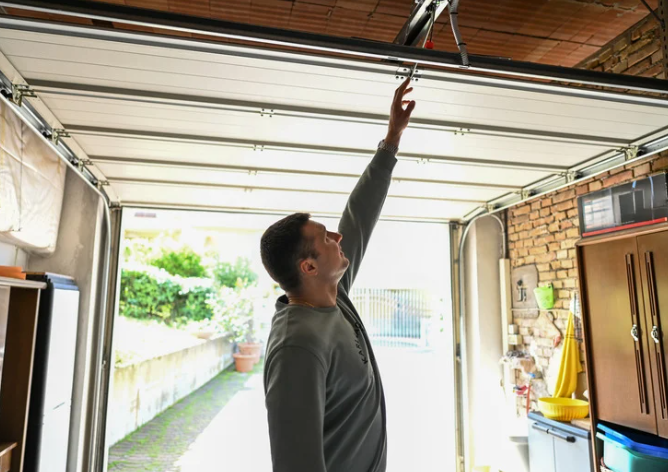
Knowing what a policy covers before approving work prevents surprise bills and gives the property owner a realistic budget for each type of repair. Sudden loss from storms, accidents, and break-ins may qualify for payment, while aging parts and neglected upkeep remain the owner’s responsibility.
Guardian Door & Gate inspects storm, accident, and break-in damage for property owners throughout St. Louis, MO, giving insurance claims a clear starting point. Contact us or give us a call today, and let our team inspect the door and explain the needed repairs before you file a claim.
Frequently Asked Questions
Does a home warranty plan cover garage door repair?
Home warranty plans usually focus on appliances and household systems, so garage door repair coverage depends on the plan terms. Review the exclusions for the garage door opener and door springs to avoid false assumptions.
Does renters insurance cover garage door damage?
Renters policies typically cover personal belongings, while the structure and door belong to the landlord, so the landlord policy usually responds to door damage. A renter who caused the damage may still face liability, so reporting it promptly matters.
Does an insurer require a specific contractor for repairs?
Property owners generally choose any garage door company they prefer, though insurers may recommend preferred vendors. Confirm the repair plan with the adjuster first to protect reimbursement.
How long after damage must a claim be filed?
Filing deadlines vary by policy and state, so reporting the damage promptly is the safest approach. Delays can complicate the claim, since insurer response time and the inspection schedule depend on a clear timeline.
Does insurance pay the contractor directly or reimburse the owner?
Payment routes vary by insurer, with some paying the policyholder and others paying the contractor after approval. Asking the adjuster about the payment method before work begins prevents delays, and transparent invoice pricing helps the insurer verify the work.
Does coverage apply to a detached garage?
Detached garages typically fall under the other structures portion of a policy, which carries its own limit. Reviewing that limit confirms whether a storm or accident loss would be covered in full.
Can a denied claim be appealed?
Denials can usually be appealed by submitting additional evidence, such as a second written estimate or an inspection report on the damaged garage door panel. Requesting the denial reason in writing makes the response targeted and easier to support.
Does insurance pay for upgrades when a door gets repaired?
Policies generally pay to restore the door to its prior condition, so upgrades such as a different door style, custom doors, or a curb appeal refresh come out of pocket. Choosing a new garage door for better energy efficiency, or paying to install smart openers, remains a personal decision outside the claim.
Are temporary repairs reimbursed after a claim?
Reasonable temporary measures, such as boarding an opening or securing a damaged door to prevent serious injuries, are often reimbursed when receipts are kept. Documenting the work with photos and invoices supports the reimbursement request.