Garage door sensor lights are among the first signs of a problem when something goes wrong with your garage door system. These small indicator lights carry a lot of meaning, and understanding what they are trying to tell you can help you avoid an unnecessary garage door repair.
When the sensor lights start blinking, going dark, or showing the wrong color, the entire garage door can stop working without any obvious reason. Knowing the most common garage door sensor light problems helps homeowners identify what is wrong and decide what to do before the problem worsens.
What Do Garage Door Sensor Light Colors Mean?
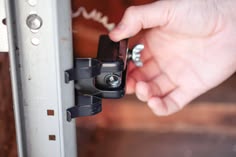
Garage door sensor lights use colors to communicate the condition of your sensors, and knowing what each color means helps you spot a problem before it affects your entire garage door system.
| Color | What It Means |
| Green | Sensor is aligned and working properly |
| Yellow or Amber | Sending sensor is active, but may signal a wiring or power issue if dim or flickering |
| Orange | Sign of misalignment or interference between the two sensors |
| Red | Sensor is misaligned, or something is blocking the beam of light |
| No Light | Complete power loss to the sensor unit due to a wiring issue or tripped fuse |
To understand what each color means for your garage door, read our guide on What Color Should Garage Door Sensor Lights Be?, which breaks down every sensor light color and what it means for your system.
Common Garage Door Sensor Lights Problems Every Homeowner Should Know
Sensor Misalignment
Misalignment is the most frequent cause of garage door sensor lights problems, and it usually happens gradually without any single obvious cause.
Signs your sensors are out of alignment:
- Vibrations from daily use slowly shift the sensor bracket out of its original position
- A bump from a vehicle, bike, or tool knocks the sensor off its aimed angle
- The infrared beam of light fails to connect when both sensors are not facing each other directly
- One sensor shows a red or orange light while the other remains steady
- Brackets that have loosened over time allow the sensor to drift without any direct impact
Misalignment is one of the most common reasons a garage door refuses to close, even when nothing is blocking its path.
Dirty or Obstructed Sensor Lenses
Dust, cobwebs, and debris collect on sensor lenses over time, and even a thin layer of buildup can block the invisible beam between the two sensors.
Common causes of dirty or blocked sensor lenses:
- Cobwebs and spider nests form directly over the lens opening without warning
- Dust from the garage floor settles on both lenses and reduces beam clarity
- Seasonal humidity causes moisture to cling to the lens surface
- Dirty lenses make the opener behave as if a permanent obstruction is blocking the door’s path
- Lenses that go uncleaned for extended periods develop a film that standard wiping may not fully remove
Regularly wiping both lenses with a dry cloth prevents most obstruction-related sensor issues from developing.
Wiring Issues
Damaged or loose wiring disrupts the power flowing to your garage door sensor lights, and the problem often goes unnoticed until the door stops responding.
Warning signs of a wiring problem behind your sensors:
- Frayed wires along the sensor cable interrupt the sensor and opener connection
- Pet damage to exposed wiring causes breaks that are not always visible
- Loose terminal connections at the opener create intermittent power loss
- Floor-level wires are vulnerable to moisture damage and physical wear
- A flickering sensor light without any obstruction points directly to a wiring issue
Wire damage that reaches the opener unit often requires professional garage door opener repair to restore normal operation.
Sunlight Interference
Direct sunlight aimed at the receiving sensor overwhelms its ability to detect the infrared beam, and the door behaves as if something is physically blocking its path.
How sunlight interference typically shows up:
- Afternoon sun at a low angle shines directly into the side of the garage
- Sunlight hitting the receiving sensor prevents the door from closing
- Garages facing west or south in St. Louis, MO, are especially prone to this in summer
- Temporary shading over the sensor can confirm whether sunlight is the source
- Slightly repositioning the bracket downward reduces direct sun exposure without affecting alignment
Sunlight interference is one of the more overlooked causes of sensor failure, and it often gets misdiagnosed as a mechanical or wiring problem.
Power Failure
A loss of power to the sensor unit shuts off the indicator lights completely, and the garage door will not operate until the issue is identified and resolved.
Common causes of a complete power failure in garage door sensors:
- Both sensor lights going dark simultaneously point to a shared power source problem
- A tripped fuse cuts power to the opener and connected sensors
- Corroded or disconnected wires stop electricity from reaching the sensor unit
- Water damage inside the sensor housing causes internal shorts
- An opener that has lost power also loses full communication with both sensors
A complete power loss to the sensors often signals the need for emergency garage door repair by a trained professional.
What Happens When Your Garage Door Sensor Lights Have Problems?
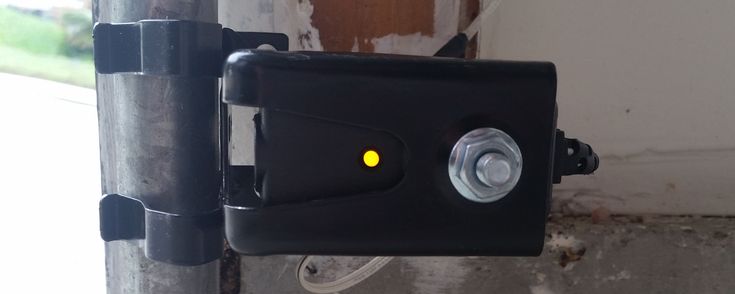
Faulty garage door sensor lights affect the performance, protection, and security of your entire garage door system.
Here is what can happen when sensor lights are not working properly:
- A malfunctioning sensor allows the door to close on people, pets, or vehicles in its path
- An open or unsecured garage becomes an easy entry point for intruders
- The garage door reverses repeatedly without any obstruction present
- Forcing the door to operate with damaged sensors puts extra strain on the opener and other components
- A garage door that cannot close properly leaves your belongings fully exposed
Addressing sensor light problems promptly keeps your garage door system performing the way it was designed to.
Signs Your Garage Door Safety Sensor Is Failing
A failing garage door safety sensor rarely stops working all at once, and the warning signs are easy to miss if you do not know what to look for.
Common signs your safety sensor is no longer working as it should:
- The door starts to close, then immediately reverses without any obstruction in its path
- One or both sensor lights are blinking, flickering, or completely off
- The garage door opener light flashes repeatedly when a closing cycle is attempted
- The door refuses to close at certain times of day despite no visible obstruction
- Both sensor lights go dark at the same time without any prior warning
Acting on these signs early gives you the information needed to determine whether a simple fix or professional attention is required.
What to Check Before Calling a Garage Door Pro
A few basic checks on your garage door sensors can help you narrow down the problem before scheduling a professional service call.
Simple things to check before calling a pro:
- Look at both sensors and confirm the lights on each unit are steady and not blinking
- Wipe both sensor lenses with a dry cloth to remove dust, cobwebs, and debris
- Check the wiring along the sensor cable for any visible fraying or loose connections
- Test the door at different times of day to rule out sunlight interference as the cause
- Make sure no objects or debris are sitting in the door’s path on either side
Running through these checks first gives you a clearer picture of what is wrong before a professional arrives.
Why Garage Door Sensor Repair Is Best Left to the Pros
Garage door sensor repair involves electrical components and precise calibration that require proper training to handle correctly.
Reasons why sensor repair is best handled by a professional:
- Incorrect wiring during a DIY attempt creates electrical hazards
- High-tension components near the sensor brackets can cause serious injury
- Professional technicians carry the right tools to diagnose sensor issues accurately
- Attempting a repair without experience can void your existing garage door warranty
- Complex sensor problems require hands-on diagnostics that go beyond basic visual checks
To know what professional sensor repair involves and what to expect, read our guide on How to Fix Garage Door Sensor Lights That Fail, which walks through the most common repair scenarios technicians handle.
Is It Time to Replace Your Garage Door Sensors?
Some garage door sensor problems go beyond what cleaning or realignment can fix, and replacement becomes the more practical option.
Signs that replacement may be needed:
- Sensors keep failing even after multiple repair or adjustment attempts
- Visible cracks, dents, or broken brackets compromise the sensor housing
- Moisture damage inside the unit has caused internal corrosion
- Older sensors struggle to maintain a consistent infrared beam
- The sensor unit no longer responds, even after wiring and power issues are ruled out
To figure out whether your sensors have reached the point of no return, read our guide on When to Replace Your Garage Door Sensor Lights, which covers the key indicators that replacement is the right call.
How to Maintain Your Garage Door Sensors
Regular maintenance is one of the most effective ways to extend the lifespan of your garage door sensor lights and keep them working properly year-round.
Simple maintenance habits that keep your sensors in good condition:
- Wipe both sensor lenses with a dry cloth every few months to remove dust and cobwebs
- Check sensor alignment periodically and look for any shift in the bracket position
- Keep tools, bikes, and other objects away from the sensors on each side of the door
- Inspect the wiring along the sensor cable for any signs of wear or physical damage
- Test your garage door sensors monthly to confirm both lights are steady and the door closes without reversing
Consistent upkeep of your garage door sensors reduces the likelihood of unexpected problems and extends the overall life of your garage door system.
Knowing These Common Garage Door Sensor Lights Problems Is the First Step to Fixing Them
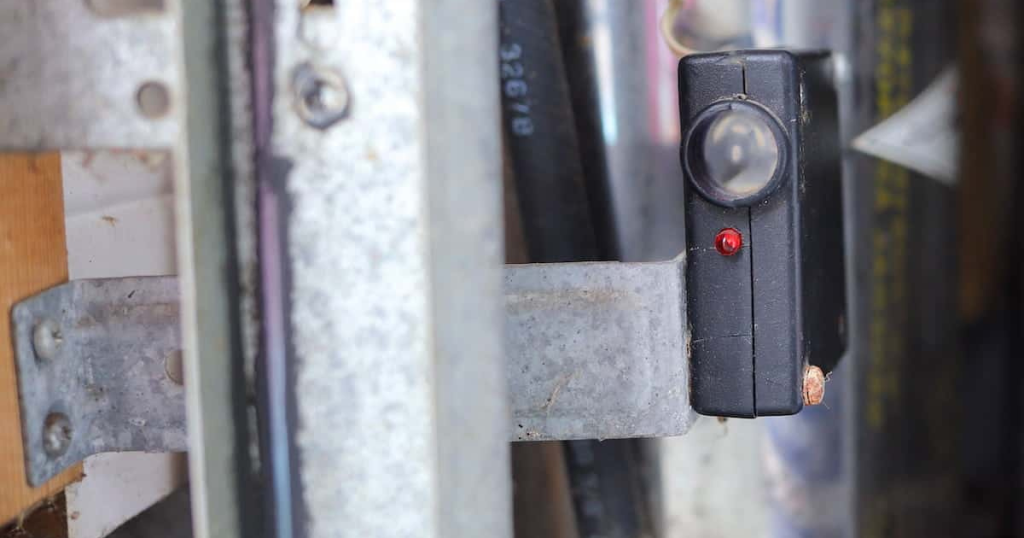
Every garage door sensor light tells a story about what is happening inside your system, and understanding those signals helps you respond with confidence instead of guessing. The more you know about these common problems, the better equipped you are to protect your garage door and everyone who uses it.
At Guardian Door and Gate, our professional technicians are trained to handle every type of garage door sensor lights problem that homeowners in St. Louis, MO, encounter on a daily basis. Contact us or give us a call today, and let our team take a closer look at what your sensors need to get everything running properly again.
Frequently Asked Questions
Does the mounting height of garage door sensors affect how well they work?
Yes, sensors must be mounted no more than 6 inches from the ground to meet safety standards and accurately detect obstructions. Mounting them too high reduces their ability to protect everything in the door's path.
Can a garage door operate normally if only one sensor is working?
No, both sensors must work together for the system to complete a closing cycle properly. A door with only one working sensor will either refuse to close or operate without full protection in place.
Can a garage door sensor light problem be mistaken for an opener malfunction?
Yes, sensor issues are frequently misdiagnosed as opener problems because both can cause the door to stop mid-cycle. Starting with garage door sensor troubleshooting first helps confirm whether the sensors or the opener is the actual source of the problem.
Does repainting or remodeling a garage affect sensor performance?
Yes, dust and debris from remodeling can settle on sensor lenses and disrupt the infrared beam between both units. Covering the sensors during any renovation work protects the lenses from buildup that could affect normal operation.
What does a persistent garage door sensor orange light indicate after physical checks have been done?
A garage door sensor orange light that stays on after alignment and cleaning checks have been completed may indicate a deeper issue with the sensor unit itself. A professional technician can run a full diagnostic to identify what is causing the light to remain on.
Can a garage door sensor yellow light appear on a brand-new sensor?
A garage door sensor yellow light on a new sensor can appear if the unit was not installed at the correct angle or if the wiring connection was not secured properly during installation. Having a technician verify the installation ensures the sensor is set up to work as intended.
How does garage door sensor repair cost get determined for older systems?
Garage door sensor repair costs for older systems may depend on parts availability, the extent of wear on surrounding components, and the labor required to access the sensor connections. A professional inspection gives you the most accurate picture of what the repair requires.
Can a garage door sensor develop problems after a nearby construction project?
Yes, vibrations from nearby construction can shift sensor brackets out of position and disrupt the infrared beam between both units. Checking the sensor alignment and lights after any significant nearby construction is a practical precaution.
Is it possible for garage door sensors to interfere with each other in a shared garage?
Yes, two garage door systems installed in a shared or multi-car garage can experience signal interference if the sensors are positioned too close to each other. A professional can assess the layout and recommend the best placement to prevent cross-signal interference between the two systems.