An automated gate system depends on mechanical parts, electrical components, and programmed controls working together to protect your property every day. Every one of those parts has a lifespan that shortens significantly without consistent and professional servicing over time.
Gate automation is built to handle the demands of daily use, but neglected components do not warn you before they fail. This article covers exactly what happens when an automated gate system goes without service and what property owners can do to prevent it from reaching that point.

Why Skipping Service on an Automated Gate System Is a Costly Mistake?
An automated gate system that goes without regular service allows mechanical and electrical wear to build up silently across every component until the damage becomes too widespread and costly to address with a simple repair.
Here is why neglecting service always leads to bigger problems:
- Motors strain harder when moving parts are stiff or corroded
- Electrical connections weaken without inspection and trigger control failures
- Safety sensors fall out of alignment and lose the ability to detect obstructions
- Small hardware issues compound over time until a complete system failure occurs
- Unprotected components break down faster under repeated weather exposure
To understand which parts carry the most risk when service is skipped, read our guide on Automated Gate System Parts That Wear Out Over Time, which covers the components most likely to fail first.
What Causes an Automated Gate to Break Down Without Service
Every component in an automated gate system degrades steadily without lubrication, inspection, and timely correction.
Common causes of gate breakdown include:
- Hinges, chains, and rollers wear down without lubrication and create damaging friction
- Dirt and debris clog tracks and force the gate out of alignment
- Exposed metal corrodes under repeated rain, heat, and freezing temperatures
- Frayed wiring and weakened connections cause control and motor failures
- Worn seals allow moisture into motor housings and damage internal components
Addressing these causes early through routine service is always more practical than waiting for a full system failure to force the issue.
Warning Signs That a Gate Automation System Is Overdue for Service
A gate automation system that is overdue for service almost always shows warning signs before it stops working completely.
Warning signs that your gate needs immediate attention include:
- Grinding, squealing, or clunking sounds during every open and close cycle
- Gates that hesitate, stop mid-cycle, or reverse without any command
- Visible rust, misalignment, or physical damage on the gate frame and hardware
- Keypads and remote controls that require multiple attempts to get a response
- Safety sensors that trigger without any obstruction present
To catch these warning signs before they lead to more serious damage, read our guide on Signs an Automated Gate System Needs Repairs, which walks through the most common indicators that a gate is overdue for professional attention.
What Happens When Automated Gate Maintenance Is Ignored
Mechanical Damage and Component Wear
Neglected mechanical parts accumulate damage with every cycle until the gate can no longer move without placing destructive strain on the drive system.
Watch for these signs of mechanical deterioration:
- Unlubricated chains, pulleys, and hinges corrode under constant weather exposure
- Dirt and debris force the gate off-track and strain the mechanical arms unevenly
- Daily wear on rollers and wheels accelerates when friction goes unaddressed
- Misaligned gates push motors and operators beyond their designed load capacity
- Corroded hardware weakens the gate’s structural integrity over time
Mechanical wear that goes unaddressed puts every moving part of the automated gate system under strain it was never designed to handle.
Electrical and Motor Failures
Electrical neglect places the motor and control system under compounding stress, eventually disabling the entire automated gate system.
Key electrical failure patterns to know:
- Overworked motors overheat and burn out from unaddressed mechanical resistance
- Worn seals allow water into motor housings and destroy internal components
- Frayed wiring and corroded terminals short out control boards
- Damaged control panels disable remote access and smart home integration
- Bad connections cause erratic and unpredictable gate behavior
Every electrical component in an automatic gate system depends on routine inspection to stay within safe operating conditions.
Safety and Security Risks
Unserviced gates create safety and security vulnerabilities that put both people and property at risk every time the gate operates.
Critical risks that develop without regular service:
- Misaligned safety sensors fail to stop the gate when someone is in its path
- Gates that fail open remove every layer of security and allow unauthorized access
- Keypad failures leave the entry point completely unresponsive
- Access control system repair needs go undetected until the gate stops responding
- Electrical faults create unpredictable gate behavior and increase impact risks
Unresolved safety and security issues in an unserviced gate put the property, its occupants, and anyone near the entry point at measurable risk.
What St. Louis Homeowners Should Do When Gate Problems Appear
When gate problems appear, acting quickly and methodically is the most effective way to limit damage and keep gate repair costs manageable.
Steps to take when gate problems appear:
- Check the power source to confirm the gate is receiving electricity
- Inspect safety sensors on both sides for dirt, misalignment, or obstruction
- Test the remote control and keypad separately to isolate the source of the issue
- Look at the track and gate frame for visible debris, rust, or physical damage
- Call a licensed technician when basic checks do not resolve the problem
Knowing when to stop troubleshooting and contact a professional is just as important as knowing what to check in the first place.
How a Professional Can Restore a Neglected Automatic Gate System
A neglected automatic gate system requires a trained technician to assess, correct, and restore every compromised component back to full working condition.
What a professional gate restoration covers:
- Full assessment of the gate frame, panels, track, and hardware for wear and damage
- Testing of wiring, control boards, and safety sensors for performance issues
- Lubrication and realignment of moving parts to restore consistent operation
- Evaluation of gate operators and motors under load to identify stress points
- Emergency gate repair service assessment for components needing immediate replacement
To explore how often professional service should be scheduled, read our guide on How Often an Automated Gate System Should Be Serviced, which covers recommended service intervals and what each visit should include.
How to Keep an Automated Gate Running and Avoid Costly Repairs
Keeping an automated gate running reliably comes down to a consistent maintenance routine that addresses wear before it affects performance.
Maintenance steps every gate owner should follow:
- Lubricate hinges, rollers, chains, and tracks every three to six months
- Clean safety sensors regularly to prevent false triggers and ensure accurate detection
- Test remote controls and keypad entry systems monthly for consistent response
- Inspect the gate frame and hardware for rust or physical damage after major weather events
- Schedule a professional service visit at least once a year for a full system checkup
A well-maintained automated gate system protects the value of any gate installation and ensures the entire setup continues performing at its best for years to come.
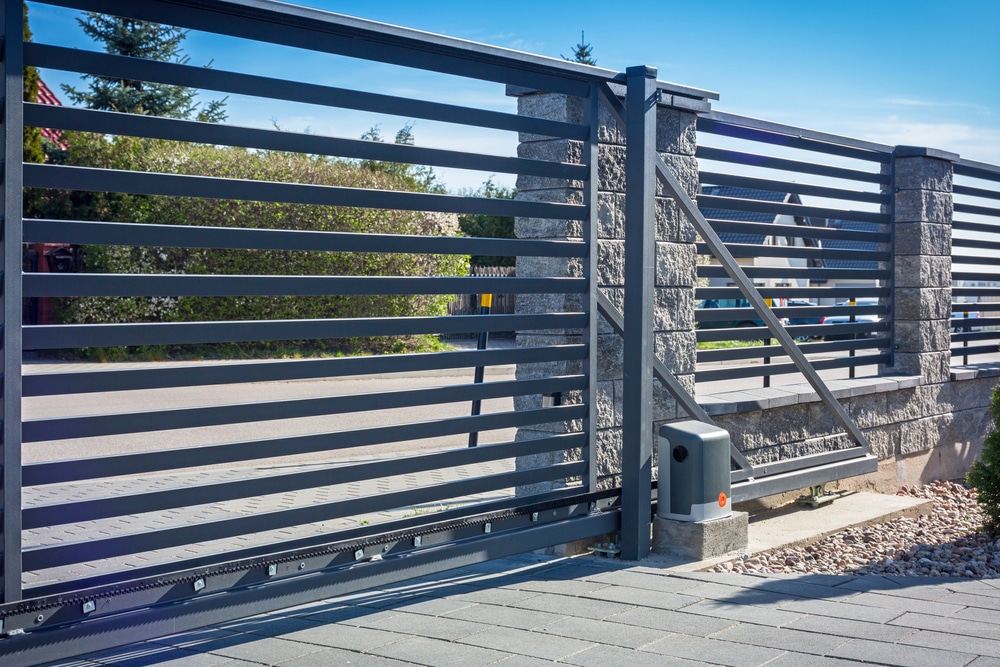
Professional Automated Gate System Servicing Protects Your Property and Prevents Costly Repairs
Neglected gate components do not stop at a single failure point, and every missed service visit adds more strain on a system built to last with proper care. Understanding the full consequences of skipped maintenance is what separates a gate that performs for decades from one that demands constant and costly attention.
Guardian Door & Gate brings the experience and expertise to handle routine maintenance, thorough inspections, and professional automatic-gate system repairs across St. Louis. Contact us or give us a call today, and let our team assess exactly what your gate needs to stay secure and built to last.
Frequently Asked Questions
How do automated gate systems work, and what components do they include?
An automatic gate system uses a motor or gate operator to move the gate to the open or closed position in response to a command. The system includes safety sensors, a control board, wiring, remote-control receivers, and entry systems such as keypads, card readers, and intercoms.
What types of automated gate systems are available for homeowners?
No, a garage door sensor orange light that fades or disappears on an aging unit signals that the sending sensor is losing power or has developed an internal fault. A sensor that no longer shows its indicatorSwing gates and sliding gate systems are the most common options for residential properties. Both are available in various materials and can be paired with advanced features like smartphone app control and smart home system integration. light consistently should be inspected and replaced promptly.
How can I choose the right automated gate system for my home?
The best option depends on driveway layout, available space, budget, and security goals. A professional installation consultation will help match the gate type and entry systems to the specific needs of your property.
What is the average cost to install an automated gate system?
Installation costs vary based on gate type, size, material, and the complexity of the automation features included. Consulting a professional installer is the best way to get an accurate estimate tailored to your property's specific needs.
Are there reliable automatic gate opener options for residential gates?
Yes, there are many automatic gate opener models designed for residential use. Options range from basic remote-operated units to advanced systems with smartphone app control, solar power for energy efficiency, and smart home platform integration.
What are the most common issues with automated gate systems, and how can they be fixed?
Electric gate problems include motor failure, misaligned tracks, sensor malfunctions, and remote access issues. Most of these can be resolved through automatic gate system repair performed by a licensed and experienced technician.
Can I control my automated gate system remotely using an app?
Yes, many modern automated gate systems support remote control through a smartphone app. App-based control works alongside intercom systems and access control platforms to give homeowners complete entry management from anywhere.
How does an automated gate system enhance security for my property?
An automated gate system creates a physical barrier at the entry point and deters unauthorized access around the clock. When combined with intercom systems and card readers, it provides homeowners with a complete, layered approach to property security.
Do automated gate systems require regular maintenance, and what does it involve?
Yes, every automated gate system requires regular maintenance to perform at its best. Maintenance involves lubricating moving parts, cleaning safety sensors, inspecting wiring and control boards, and scheduling professional service at least once a year.