Smart intercoms integrate with access control systems by sharing signals via relay outputs, cloud-based software, and network connections, enabling both devices to function as a single unit. This connection allows a building to verify a visitor via video or audio and automatically unlock the door once access is confirmed.
Understanding how this connection actually works helps property owners know what to expect before combining a smart intercom with an access control system. This guide breaks down the process, the types of access control involved, and what to check before treating these systems as a single complete security solution.
What Are Access Control Systems and How Do They Work?
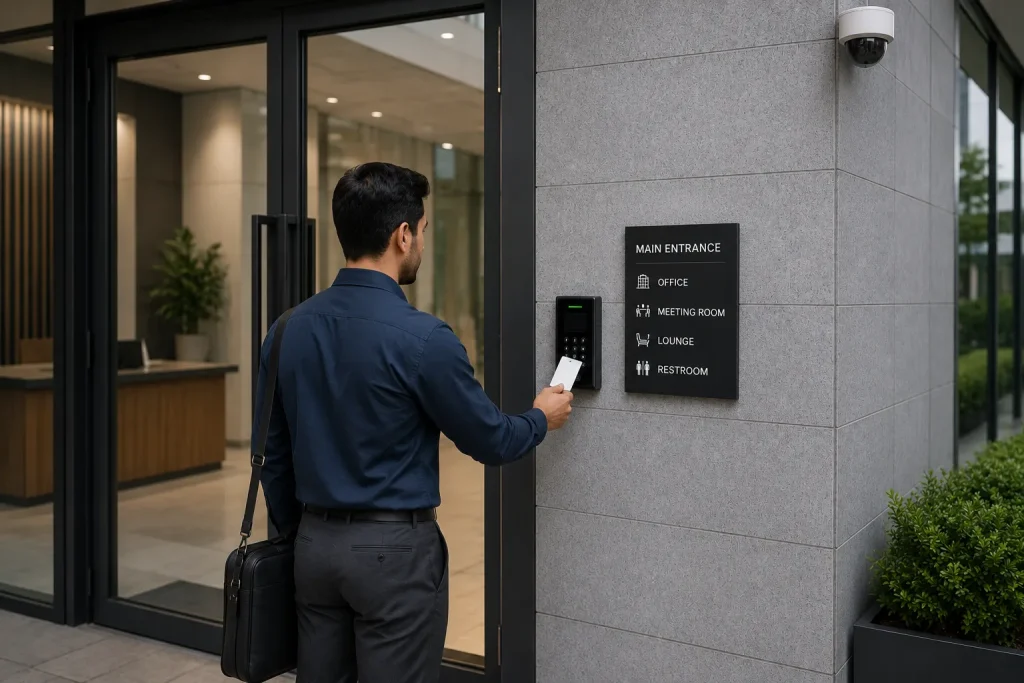
A building signals the need for stronger entry management long before an actual break-in occurs, often through small operational gaps that property owners overlook until they create a real vulnerability.
Common signals include:
- Multiple tenants or employees share a single set of physical keys
- Lost or copied keys create ongoing uncertainty about who can enter
- No record exists of who enters or exits the building each day
- Visitors and deliveries arrive without any formal check-in process
- Staff turnover happens often enough that rekeying becomes a recurring expense
To determine whether a specific property falls into this category, read our guide on Who Needs an Access Control System?, which breaks down the building types and situations where an upgrade makes the most sense.
What Are the Main Types of Access Control Systems?
Access control systems rely on several different verification methods to determine who can enter a building or specific area.
| Type | How It Works |
| Card access system | Uses a physical card or fob tapped at a reader near the door |
| Keyless entry system | Relies on PIN codes or mobile credentials instead of physical keys |
| Biometric access control | Uses facial recognition or fingerprint scanning for higher security areas |
| Mobile access control | Turns a smartphone into the access credential for building entry |
| Commercial security systems | Combine multiple methods across several entry points in larger buildings |
To evaluate which setup offers the strongest protection for a specific property, read our guide on What Type of Access Control System Is Most Secure?, which breaks down the security strengths and trade-offs of each option.
What Does Integration Between Intercoms and Access Control Actually Mean?
Integration means an intercom and an access control system share information so a single interaction can verify identity and unlock the door automatically.
Here is what that connection typically looks like in practice:
- A visitor calls through the intercom instead of a separate doorbell or buzzer
- Staff or residents confirm identity through video or audio before granting access
- The access control system unlocks the door once approval is given remotely
- Both systems log the interaction together for a single accurate entry record
- One dashboard manages intercom calls and door access instead of two separate tools
This shared connection replaces the separate manual steps that once required a person to answer a call and unlock a door as two disconnected actions.
How Does a Smart Intercom Actually Connect to an Access Control System?
Shared Software Dashboards for Managing Both Systems
A single dashboard gives property managers control over intercom calls, door access, and gate automation on a single screen.
Common tasks handled through this shared dashboard include:
- Adding or removing user credentials across every connected door or gate
- Reviewing entry logs and video call history in one place
- Adjusting access schedules for different times or tenant groups
- Granting temporary access to visitors or delivery personnel remotely
- Monitoring system status across multiple entry points at once
Managing both systems from a single dashboard reduces the daily back-and-forth between separate platforms for entry logs and visitor calls.
Relay Outputs and Hardwiring at the Door Controller
Physical wiring between the intercom and the door controller forms the backbone of most integrated setups, including new gate installation projects.
Here is how that wired connection typically functions:
- The intercom’s relay output sends a signal once a visitor is approved
- Wiring runs directly from the intercom unit to the access control panel
- The door or gate controller receives the signal and releases the lock mechanism
- Relay settings determine whether the wiring is normally open or closed
- Technicians test relay timing during installation to confirm proper release
Properly configured relay wiring maintains a consistent signal between the intercom and the controller for every entry attempt.
Cloud and IP Network APIs for Remote Access Control
Cloud connections and IP network APIs let intercoms extend remote access control beyond a single building or entry point.
These connections typically support the following capabilities:
- Push notifications are sent to a smartphone when a visitor calls
- Live video streaming between the intercom and a mobile app
- Remote door unlocking from anywhere with an internet connection
- API links between the intercom, cameras, and the access panel
- Automatic software updates delivered without an on-site technician visit
Cloud-based connections give property managers the same level of control over entry, whether they are on-site or away.
Multi-layered Authentication for Added Security
Pairing an intercom with access control adds an extra verification step, giving property owners more than one checkpoint for identity verification.
Typical layers used in this kind of setup include:
- Visual confirmation through the intercom’s camera before entry
- A card or fob scan is required in addition to the video check
- PIN code entry paired with facial recognition for higher security areas
- Time-restricted access windows layered on top of credential checks
- Two-person approval is required for entry into particularly sensitive areas
Layered verification steps lose their value fast when worn hardware from a system overdue forgate repair makes any single step unreliable.
What Should Be Checked Before Integrating These Systems?
A few practical checks before combining a smart intercom with an access control system can prevent compatibility issues later.
Here is what to review first:
- Compatibility of older access control panels with modern IP-based hardware
- Network strength, since cloud-connected intercoms depend on a steady internet connection
- Entry point count, since more doors require more relays and controllers
- Security needs are based on building type, traffic volume, and higher-risk areas
- Cost range, from a few hundred dollars for one door to several thousand for multi-door properties
Reviewing these factors early gives property owners a clearer picture of what the integration actually requires before work begins.
What Are the Benefits of Combining Smart Intercoms with Access Control?
Combining these two systems creates advantages that go beyond simple convenience for property managers and tenants alike.
Here is what property owners gain from this pairing:
- Tenants and employees carry one credential instead of separate keys for every door
- Property managers get a visual record of who enters and exits each day
- Staff can verify and grant access remotely without walking to the door
- Every entry attempt gets logged automatically for compliance and insurance records
- Access permissions can be updated instantly without rekeying a single lock
To explore how these advantages apply across different property types, read our guide on What Are the Benefits of Access Control Systems?, which breaks down the value this technology adds for owners and tenants alike.
How Can Professionals Help with Intercom and Access Control Integration?
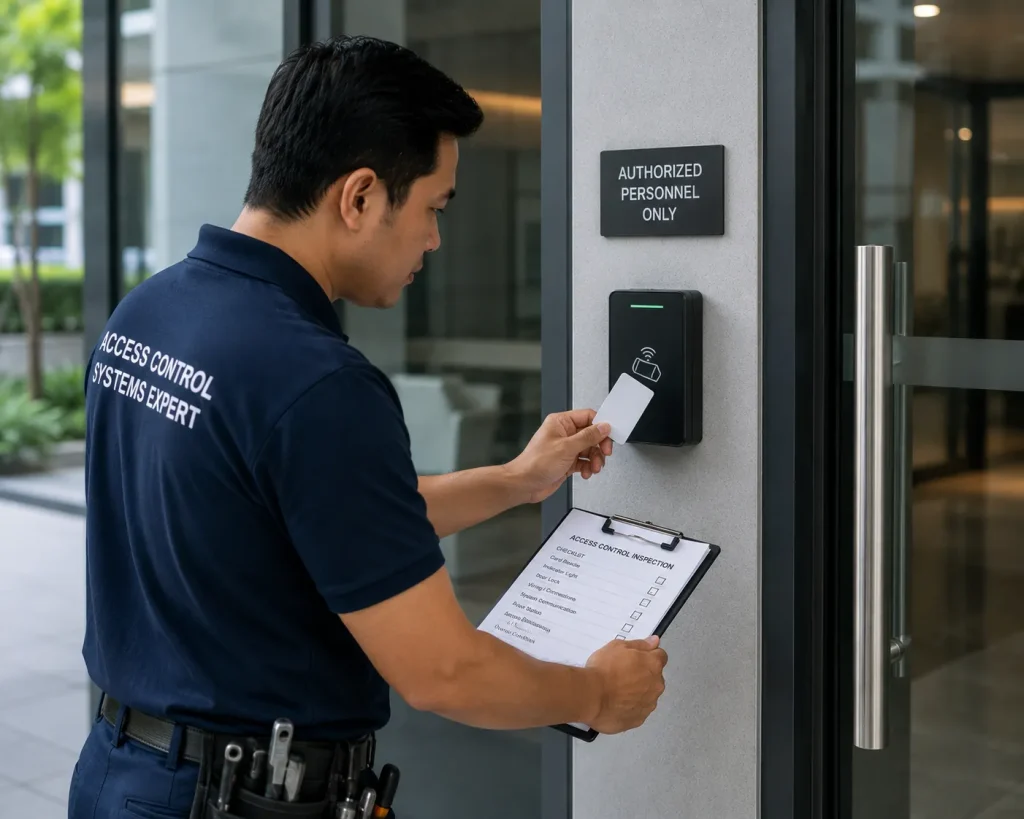
A professional installer brings experience that helps property owners avoid common mistakes when combining these systems themselves.
Here is what a professional typically handles:
- Walking the property to assess existing wiring and entry point count
- Matching hardware to the building’s size and specific security needs
- Testing and calibrating the system before it goes live
- Providing ongoing support if a device stops responding correctly
- Confirming the setup meets local codes and industry requirements
Bringing in a professional early reduces the risk of a mismatched system that would require costly adjustments once the building’s actual needs become clear.
Smart Intercoms and Access Control Work Best When Integrated Properly
Every smart intercom and access control system depends on the connection between them being planned and installed correctly for the specific building. Checking compatibility, choosing the correct integration method, and working with an experienced installer keep that connection performing consistently.
Guardian Door & Gate works with property owners across St. Louis to plan and install smart intercom and access control integrations tailored to each building’s layout, entry points, and security needs. Contact us or give us a call today to schedule an assessment and get a plan built around the property.
Frequently Asked Questions
What are the main types of access control systems available today?
The main types include a card access system, a keyless entry system, biometric verification, and mobile credentials. Each type uses a different method to confirm identity before granting entry, and larger properties often combine several types across different entry points.
Do access control systems improve security compared to traditional locks?
Yes, access control systems improve security compared to traditional locks. They eliminate the risks associated with physical keys that can be lost or copied and create a digital record of every entry attempt for later review.
Which access control systems are best for apartment or multifamily buildings?
Mobile credentials and a card access system tend to work well for apartment buildings since residents can enter without carrying multiple keys. Many multifamily properties also pair these systems with a video intercom system so residents can confirm visitors before granting entry.
Can simple, reliable door intercom access control solutions be recommended?
Yes, simple and reliable door intercom access control solutions do exist for smaller properties. A basic video intercom paired with a keypad or card reader is often enough for a single main entrance, and the setup can expand later as the property grows.
What features should be considered when choosing an access control system?
Compatibility with existing wiring, support for mobile credentials, and the ability to generate detailed entry logs matter most when choosing a system. Remote access control is also worth considering for owners who want to update permissions without visiting the property in person.
How do keyless entry access control systems work?
A keyless entry system verifies a PIN code, mobile credential, or biometric scan against stored data instead of relying on a physical key. If the input matches an approved user, the system grants access and automatically logs the entry.
What is the difference between smart and traditional access control systems?
A smart intercom system connects to the cloud, supports remote management via a smartphone, and integrates directly with a building's access control panel. A traditional access control setup typically relies on basic card readers or keypads with limited monitoring capability.
Are video intercoms commonly used in modern access control systems?
Yes, a video intercom system is commonly used in modern access control setups, particularly in commercial and multifamily buildings. Adding video allows staff or residents to confirm a visitor's identity before granting access, which has become a standard expectation in newer installations.
What are some trusted brands for secure building access control?
Established brands manufacture hardware for commercial security systems, including panels, card readers, and commercial intercom system units. A property assessment usually determines which access control intercom hardware best fits a building's size, budget, and layout.